Sign Language, Access and Our Shared Responsibility
September 20 is the start of International Week of Deaf People and celebrates Deaf communities, sign languages, and culture. This is an opportunity to reflect on the importance of language access, inclusion, and the role we all play in supporting the rights of people who are Deaf.
Today, September 23, we mark the International Day of Sign Languages. The 2026 theme is “Declaring Deaf People’s Human Rights.”
To declare a right goes beyond simply saying that the right exists. It means speaking about it openly, respecting it, and taking action to make it real. This year’s theme invites us to consider how people who are Deaf experience their rights in everyday life. A right written in law is an important beginning, but people must also be able to use that right at school, at work, online, and when accessing public services.
One way to think about this is through language.
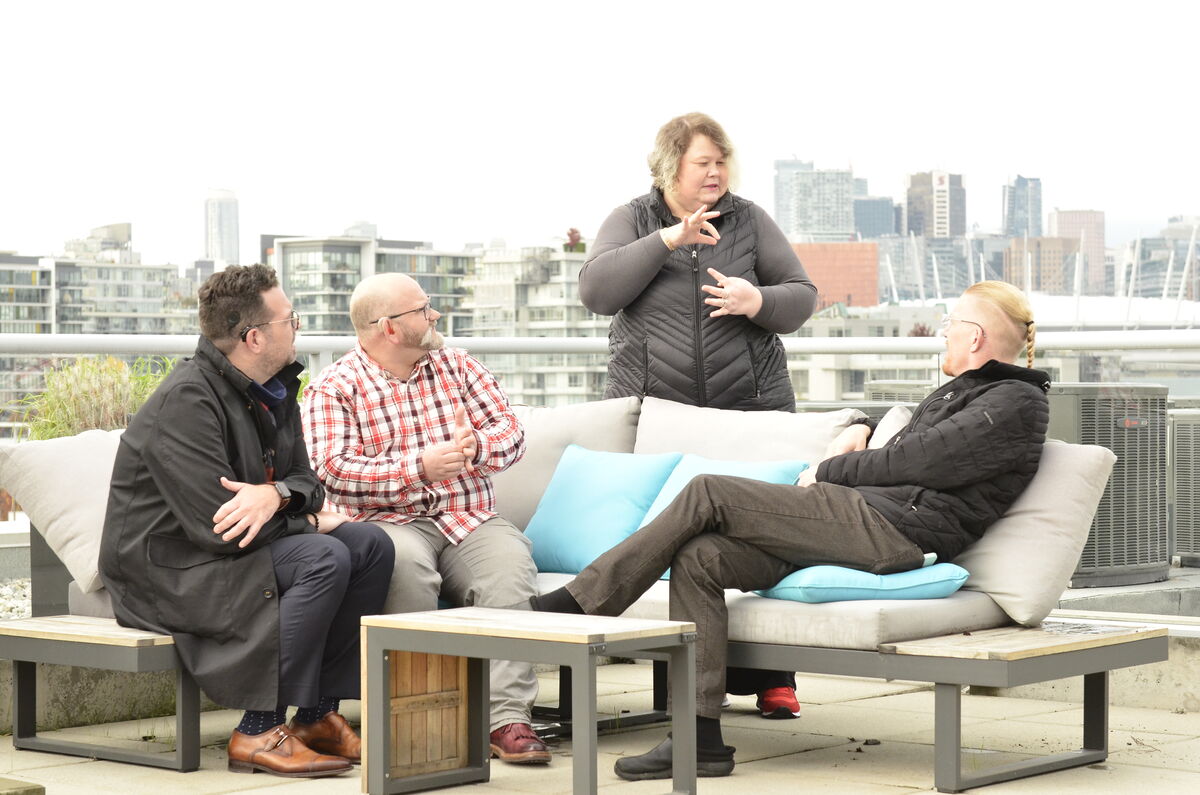
Sign languages are complete, natural languages with their own grammar and structure. More than 300 sign languages are used around the world. In Canada, people who are Deaf use American Sign Language (ASL), Quebec Sign Language (LSQ), and Indigenous sign languages. The Accessible Canada Act recognizes these as primary languages for communication by people who are Deaf in Canada.
This gives us a strong foundation to build on. The question is: what does this recognition mean in people’s everyday lives?
We can begin by looking at sign languages through the lens of accessibility. In this case, accessibility means removing barriers that prevent people from receiving information or taking part in an activity.
For a person who is Deaf, a communication barrier may occur when an event does not have a sign language interpreter. It may also happen when a public video contains only spoken information or when important instructions are shared through sound alone.
Providing captions is one way to improve access. However, captions and sign language do not meet the same needs.
Some people who are Deaf use written English or French. Others use ASL, LSQ, or an Indigenous sign language as their first or preferred language. Some people use both captions and sign language. Providing both options allows more people to choose the format that works best for them.
For example, the Rick Hansen Foundation always shares its webinars with both captions and sign language interpretation. The recording of The Power of Inclusive Language is one example. The video includes both captions and sign language interpretation. Although the discussion focuses on inclusive language, the way the video is presented also demonstrates inclusive communication in practice.
The captions provide access to the spoken conversation in written form. The interpreter provides the information in ASL. One option does not replace the other. Together, they help the video reach people with different communication needs and preferences.
This is something all of us can consider when creating videos, holding public events, or sharing important information. We can provide qualified interpreters, accurate captions, and transcripts. We can also ask people about their communication needs before an event instead of making assumptions.
Most importantly, these steps should be planned from the beginning. People who are Deaf should not always have to ask for access after everything has already been arranged.
Accessibility, however, is only part of the conversation.
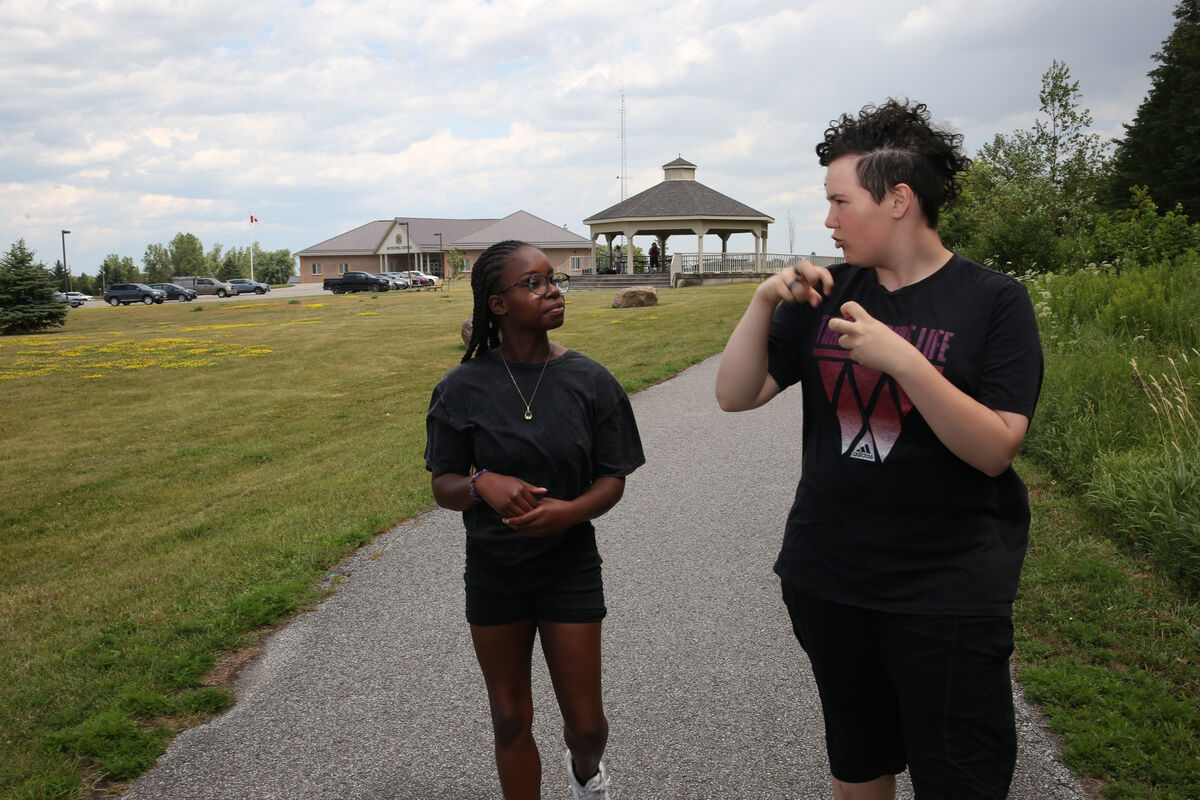
We also need to look at sign languages through the lens of inclusion. Accessibility helps people enter a space or receive information. Inclusion looks at what happens after they enter.
For example, an employee who is Deaf may have an interpreter during a meeting. This gives the employee access to the conversation. But is the employee given enough time to share ideas? Are they included in decisions? Do co-workers speak directly to the employee instead of speaking only to the interpreter?
Questions like these help us understand the difference between accessibility and inclusion when reflecting on this year’s theme.
Inclusion means that people who are Deaf are part of planning, decision making, and leadership. It means working with them before a program, policy, or service is created.
The Accessible Canada Act supports this approach. One of its principles states that people with disabilities must be involved in developing laws, policies, programs, services, and structures.
This responsibility does not belong only to governments and large organizations. As citizens, neighbours, co-workers, and community members, we also have a role to play.
We can learn about sign languages and Deaf culture. We can speak directly to people who are Deaf, respect their communication choices, and support Deaf leadership. We can ask whether a meeting or event is accessible before someone has to point out a barrier.
In our communities, this could mean inviting people who are Deaf to help plan an event. It could mean partnering with groups lead by people who are Deaf instead of making decisions on their behalf.
People who are Deaf are neighbours, employees, parents, teachers, business owners, artists, and community leaders. They bring knowledge and experience that can help us communicate better and build services that work for more people.
Ultimately, declaring the human rights of people who are Deaf means making those rights real. Canada has recognized ASL, LSQ, and Indigenous sign languages in federal accessibility law. The work continues when people can receive information, use services, learn, work, and participate in their communities through the languages they use.
We do not need to solve everything at once. We can begin by learning a few signs. We can begin by asking ourselves: Have people who are Deaf been included in the planning? Is sign-language access available? Are different communication options provided? Have we asked people what they need?
International Day of Sign Languages gives us a reason to ask these questions, but our responsibility continues throughout the year. Declaring human rights is ultimately about what we do so that people who are Deaf can understand, contribute, make choices, lead, and belong.