Navigating Menopause and Spinal Cord Injury

For years, Teri Thorson wasn’t always sure what her body was trying to tell her.
Some midlife changes were familiar enough. Unpredictable periods, shifting mood, unshakable exhaustion. Teri also found herself uncharacteristically withdrawing from people.
Then came the symptoms that were harder to place.
Spasticity increased. She began sweating heavily at night. Because Teri has a higher-level spinal cord injury (SCI), she does not sweat but if she does it usually signals “pain” or something that the body is recognizing as “not normal”. This signal is called autonomic dysreflexia, that along with sweating and other signs comes with a potentially life-threatening rise in blood pressure if not treated.
She had lots of unanswered questions. Was this menopause? Related to spinal cord injury? Something else entirely?
“I was worried there was something wrong with me,” Teri said.
Her experience points to a larger gap in menopause care: what happens when its symptoms are difficult to distinguish from those of an existing disability?
October 18 is World Menopause Day, a day dedicated to breaking the silence around menopause and improving understanding of a transition that affects so many women around the world. But even as menopause has moved more openly into the conversation, there are still women whose experiences are largely missing from it, women with SCI among them.
Much of what many casually refer to as menopause is actually perimenopause, the transition leading up to a woman’s final period. It can begin as much as a decade earlier, sometimes in the mid-30s, as changing hormone levels affect menstrual cycles and can bring changes to sleep, mood, cognition, sexual health, and body temperature. Menopause itself is reached after 12 consecutive months without a period.
For women with SCI, recognizing those changes can be complicated. Some symptoms can overlap with, resemble, or affect those associated with spinal cord injury. So, when Teri’s body began behaving differently, the question was how to tell which changes belonged to what.
When Symptoms Overlap
Teri, Senior Manager of the Rick Hansen Foundation Accessibility Certification™ (RHFAC) program, began noticing signs of perimenopause around five years ago. Like many women, she initially recognized what was happening because her friends were going through it too.
As her symptoms changed, the distinction between menopause and SCI became much less clear. In her quest for answers, she connected with other women with SCI and members of the sexual health team at GF Strong Rehabilitation Centre.
This led to a working group called ‘Perimenopause/menopause and persons with spinal cord injury: Cocreating priorities for clinical practice, research and knowledge translation’. Teri joined Kate McBride, Clinical Nurse Specialist with Vancouver Coastal Health’s Sexual Health, Rehabilitation Service, Rachel Nicoletti, Sexual Health Clinician, and Dr. Stacy Elliott.
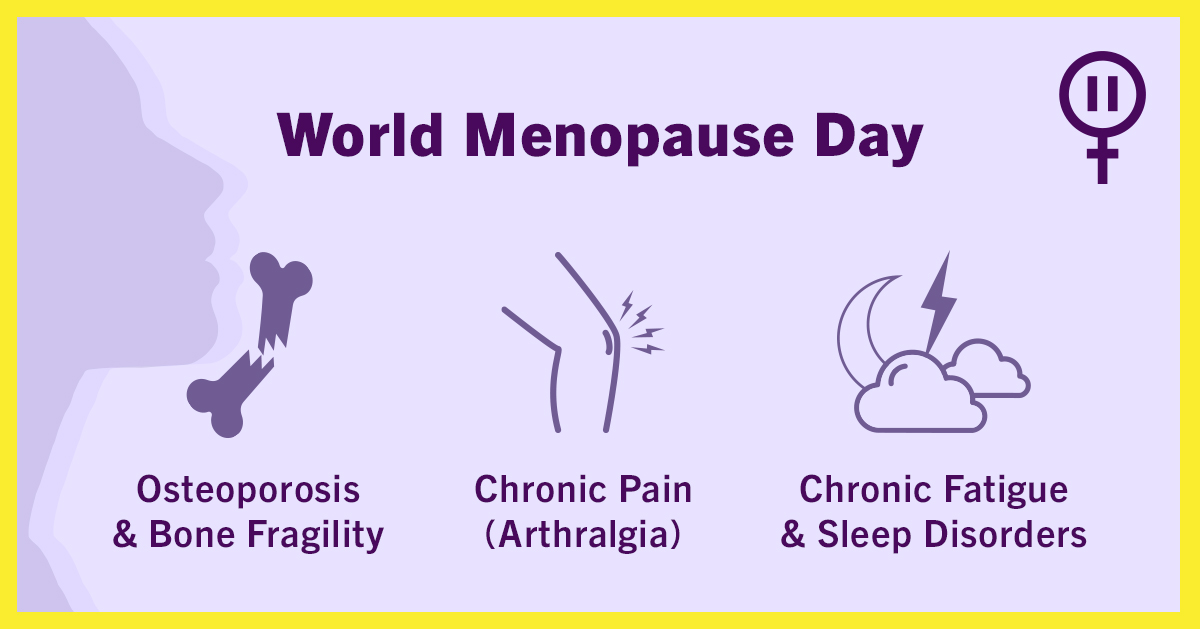
Funded by the Praxis Spinal Cord Institute, the project brought together clinicians and people with SCI to identify where the most pressing gaps lie. Through surveys and a workshop, the team identified 10 priorities and recommendations for future research and knowledge translation. At the top of the list was the question Teri had already encountered: how can women with SCI and their care teams tell the difference between perimenopause symptoms and symptoms related to SCI? Other priorities include bladder and bowel health, osteoporosis, cardiovascular health, sexual health, sleep, pressure injuries, and spasticity. The findings are detailed in the Menopause and SCI Report.
Teri and other women agreed that the questions prompting the research were hardly academic. They were their reality and it was surprising, to say the least, that they were only now being talked about.

Women First
Women have historically been a minority within the SCI population. Teri also pointed out that people with SCI are living longer and that spinal cord injury can result from many causes beyond the traumatic injuries traditionally associated with young men. However, research into women’s health and SCI still lag.
Teri has heard from women whose menopausal symptoms were dismissed by their doctors. Instead, changes in their bodies were automatically attributed to disability.
“Everything is assumed to be disability related and not even considered to be potentially hormonal,” she said. For Teri, even after acquiring her spinal cord injury, she noticed how easily disability could eclipse everything else about her body and identity.
“I really felt like my gender was kind of taken away from me when I had my disability,” she said “It was the disability first. Nobody talked to me about practical questions such as managing menstruation, you just kind of have to figure it out on your own, or with your peers.”
Decades later, menopause can expose the same issue, but from the other end of reproductive life.
Teri believes better care starts with something straightforward: “Take a woman-first approach.” This means recognizing that a woman with SCI will experience the ordinary realities of being a woman, too. Teri eventually connected with specialized sexual health and gynecological care, where her symptoms were considered more holistically. But she knows access to that kind of expertise is far from universal.
Going from Here
The project has identified questions researchers could pursue but answering them requires funding and researchers willing to take on the work. Teri would like there to be practical resources developed for women with SCI and health-care providers, bringing together what is already known. She has submitted funding requests herself and, so far, has been turned down.
In the meantime, she encourages younger women with SCI to learn about perimenopause before they find themselves in the middle of it, seek information from trustworthy sources, and talk to other women.
Peer knowledge has filled many of the gaps left by the medical system. It is also where this project began: women talking to one another, comparing experiences, and realizing they were asking the same questions.
For women with SCI, menopause can add another layer of symptoms to bodies that are already medically complex. The need for better research can mean better answers, better care, and ultimately, a better quality of life for so many.