Blindness Awareness Month: The Freedom to Enjoy the Little Things

You leave home to run an errand. Along the way, you decide to stop at a café. After your drink, you browse in a nearby shop. You have nothing particular to buy, but there is time to look around. Maybe you will find a gift or something small for yourself.
These little moments can bring pleasure to an ordinary day. There is freedom in changing your plans, trying something new and taking your time.
People who are blind or have low vision want to enjoy those moments, too. Yet an unreadable menu, missing product information or an inaccessible payment screen can interrupt the experience. A simple outing may become a series of requests for assistance.
October is Blindness Awareness Month. It is an opportunity to learn about these experiences and consider how everyday life can be more accessible and enjoyable.
Blindness is a spectrum. Some people have no sight, while others have some usable vision. People use different tools, including magnification, screen readers and Braille. Their access needs and preferences vary.
When services are accessible, people have more freedom to use the tools that work for them, make their own choices and enjoy the day.
Taking time to choose
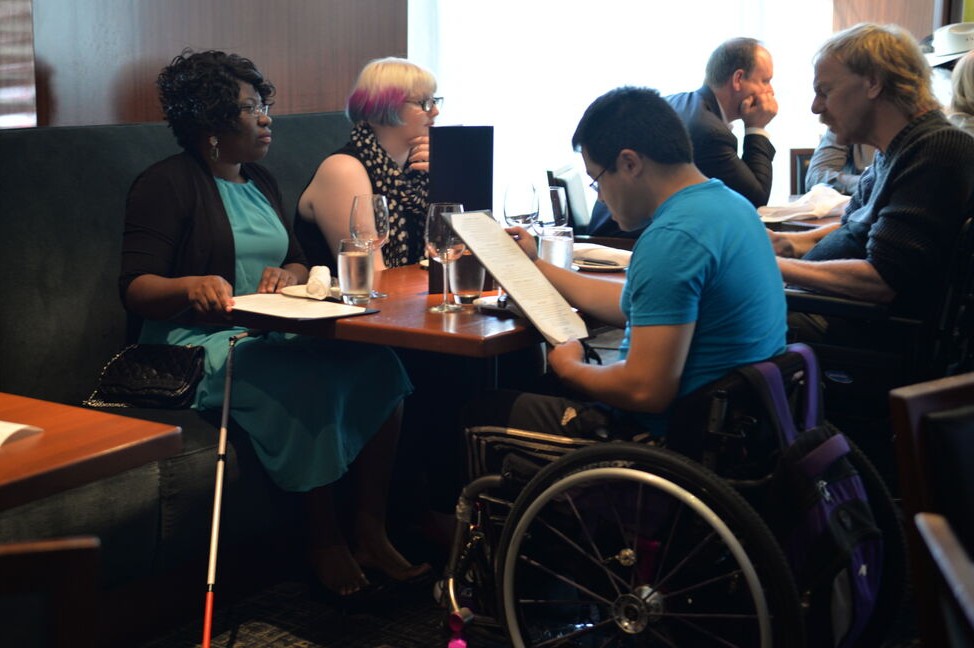
At the café, you might read the menu twice. You compare prices, consider a different drink and change your mind before ordering. That time is part of the experience.
A customer who is blind may want the same chance to explore the menu. But if it is available only on a wall or as an inaccessible image online, they may need someone to read it aloud.
A screen reader provides access to digital information through speech. For someone with low vision, enlarged text and clear colour contrast may help. A QR code is useful when the customer can find and scan it, and when the menu it opens is accessible.
Without an accessible menu, choosing may depend on another person’s time and availability. The customer may hear only a few suggestions instead of the full range of drinks, food and prices. Asking someone to repeat several options can also make the customer feel rushed to decide.
Cafés can offer accessible digital menus, large-print options and a clear web address alongside a QR code. Staff can offer to read the menu and let the customer decide whether that help is useful.
The pleasure is in being able to choose: a familiar favourite, something different or one more treat before leaving.

Browsing for the pleasure of it
In the nearby shop, the outing continues.
Sometimes browsing leads to a purchase. Sometimes the pleasure comes from discovering what is there, comparing a few things and leaving with an idea for another day.
For a customer who is blind, browsing can be limited when prices, colours, materials and other details are available only through visual displays. Being taken straight to a suggested item leaves little room to discover what else the shop offers.
Inaccessible product information can limit choice and leave shoppers relying on friends, family or staff for details. Accessible product information gives customers more room to explore at their own pace. Staff can describe the items that interest them, including their features and prices. Where handling is allowed, customers can explore through touch.
A question such as, “Would you like to browse, or are you looking for something particular?” lets the customer guide the visit.
The way staff respond can shape the rest of the visit. Speaking to a companion, assuming what someone wants or helping without asking can leave the customer out of their own experience. Speak directly to the person and ask what assistance, if any, would be useful.
Help can be welcome, but the person should be able to choose when to accept it, what kind of help they need and when they would prefer to continue on their own.
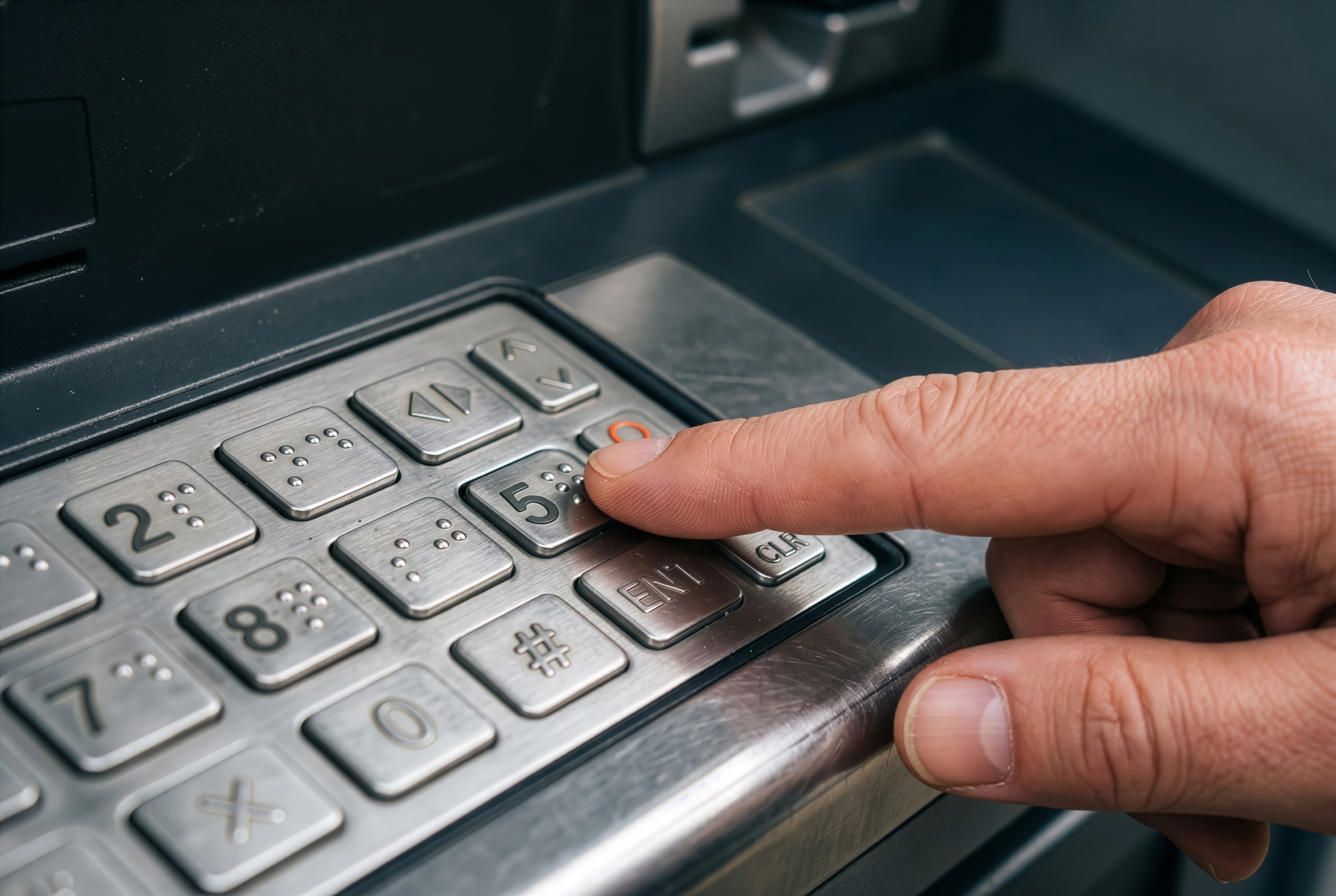
Paying without giving up privacy
After finding something to buy, the customer reaches the payment counter.
This should be a routine part of the outing. But a touchscreen without accessible features or a keypad without clear tactile markings can make it difficult to check the total and enter a PIN.
A Government of Canada report identifies touchscreens, the lack of tactile markings and the lack of clear voice instructions as barriers for people with visual disabilities. It also notes that when people must ask others for help and share personal information such as a PIN, they face a greater risk of theft and fraud.
A stop at an ATM can raise similar concerns. If the customer cannot read the screen and there is no usable audio option, they may be unable to withdraw money or check account details privately. Audio ATMs allow customers to hear instructions through headphones and use the machine without someone else reading the screen.
Nobody should have to choose between completing a transaction and protecting their personal information. The Financial Consumer Agency of Canada advises people never to share their PIN, even with a family member. It also warns that someone who shares a PIN may be responsible for transactions they did not make or approve.
One way businesses can mark Blindness Awareness Month is to provide accessible payment terminals and make sure staff know how their features work. Customers need time to check the amount and complete the payment securely.
After enjoying a drink or choosing a gift, paying should not become the part of the visit that takes away a person’s privacy or control.
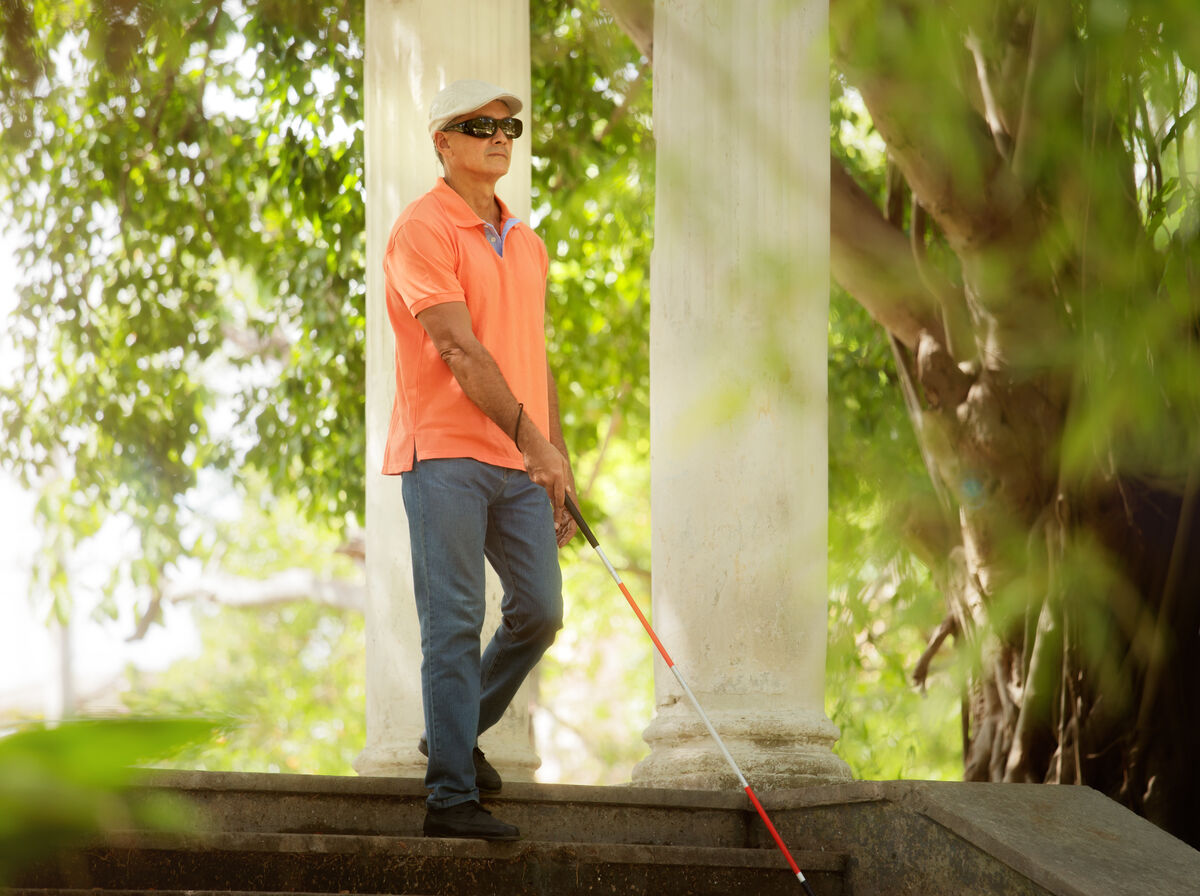
Making room for everyday enjoyment
An ordinary afternoon can bring its own pleasures: trying a new drink, discovering a shop or choosing a small gift.
When each step requires finding someone to help, the outing can take more time and effort. There may be less room to browse freely, change plans or simply enjoy the moment.
This Blindness Awareness Month, businesses and community organizations can look at the experience they offer. Can customers explore the full range of choices? Can they access information in a way that works for them? Can they pay privately and securely?
Each barrier removed creates more room for people to enjoy the little things and make the day their own.