Small Changes, Bigger Access

Every year, Global Accessibility Awareness Day (GAAD) creates space for an important conversation about digital accessibility and inclusion.
Today, much of daily life happens online. People apply for jobs, register for services, attend classes, read the news, access community resources, communicate, and stay connected through digital spaces. Because of this, accessibility has become an important part of how people experience information and communication.
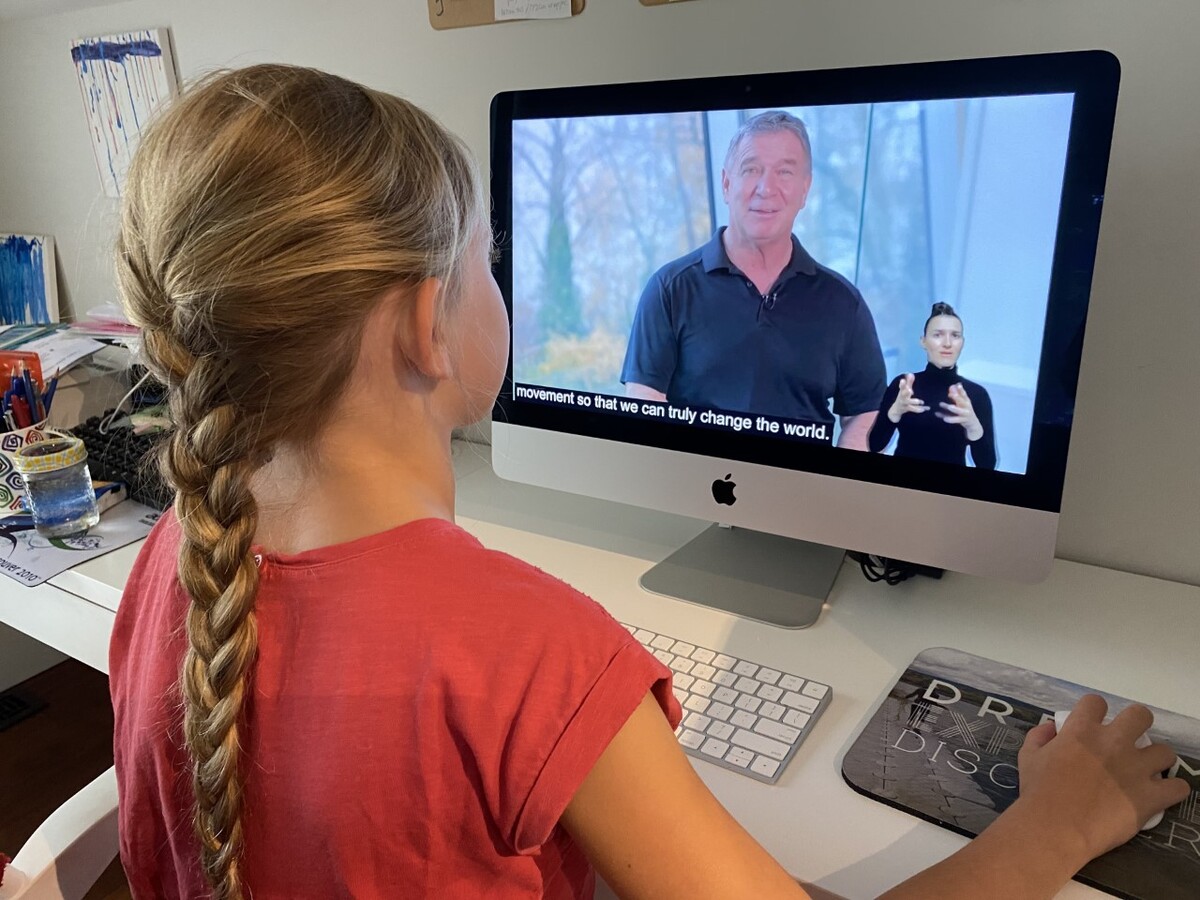
A clear website, a readable document, captions on a video, or a simple online form may seem like small details during the design process. Yet for many people, these details shape whether information can be accessed, navigated, understood, and used independently.
That is one reason GAAD continues to matter.
This day reminds us that accessibility is ultimately about people and participation. It is about creating digital spaces where more people can access information, services, and opportunities with greater independence.
This year’s GAAD theme encourages accessibility to be considered throughout the process of creating digital content and services. This message is important because accessibility works best when it is part of the planning, creation, and sharing process from the beginning.
In many ways, accessibility is closely connected to communication.
Every day, organizations share information that people depend on. Community programmes, healthcare resources, educational materials, employment opportunities, public services, event details, and workplace information are often shared digitally first.
When communication is accessible, people can focus on the information itself rather than spending extra time trying to figure out how to use or navigate the content. Information becomes easier to follow, easier to interact with, and easier to understand across different technologies and user needs. Thoughtful digital communication helps create experiences that feel more welcoming and inclusive for more people.
These practices improve access for people with disabilities and help create stronger communication experiences for everyone.
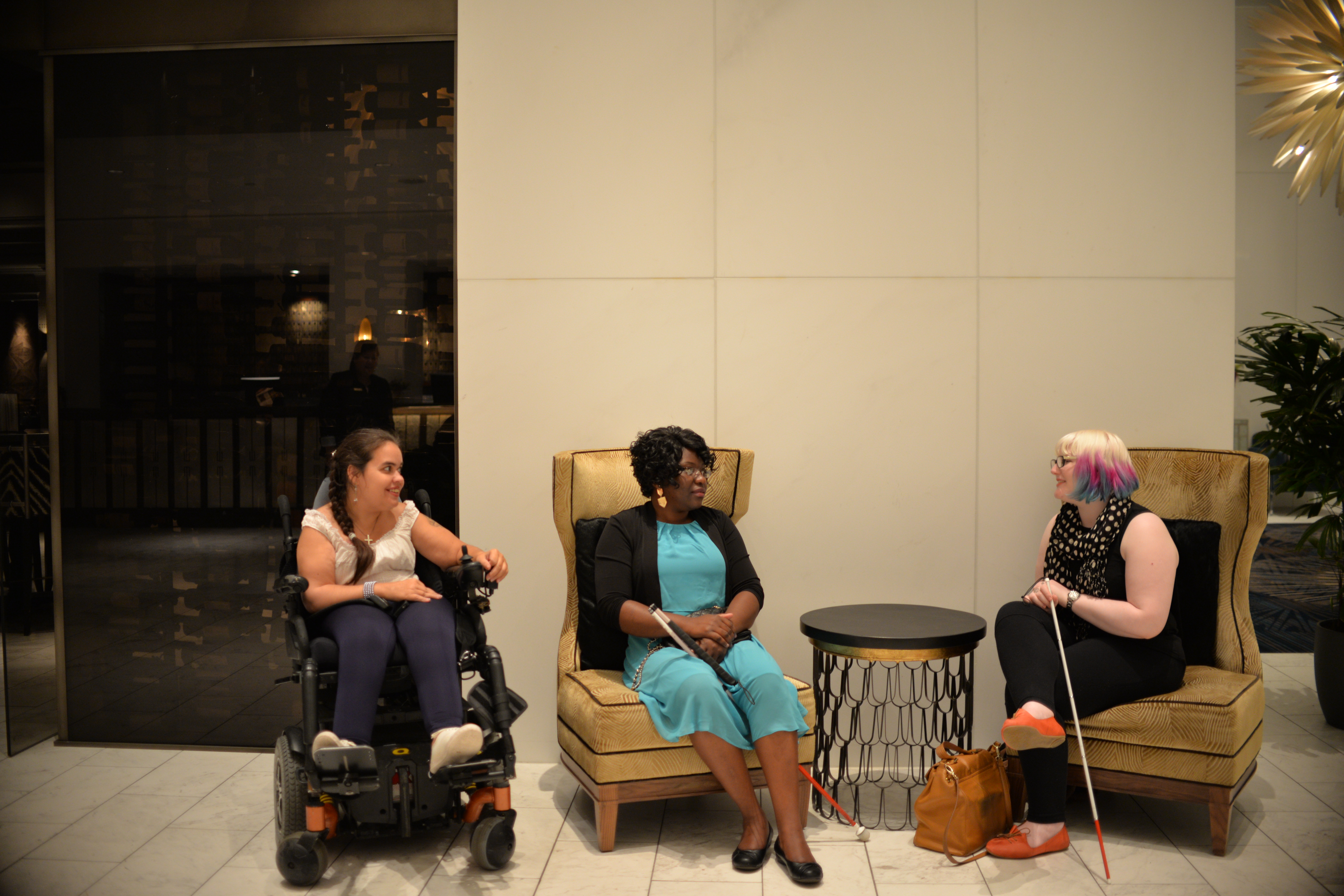
Accessible communication often creates a better experience for everyone.
Many of us have experienced moments when finding information online felt frustrating or overwhelming. A form may be difficult to complete. Instructions may feel unclear. A document may open but still be difficult to move through or understand. Important information may be hidden within crowded layouts, complex structures, or dense language.
Small accessibility improvements can make these experiences smoother and more inclusive.
That is why accessibility should not be considered an extra step added at the end of a project. When accessibility is built into the process early, communication becomes clearer, services become easier to use, and digital spaces become more inclusive by design.
GAAD also reminds us that accessibility is ongoing work. Technology changes quickly, and digital communication continues to evolve. New tools, platforms, and ways of sharing information appear every year. As digital spaces grow, accessibility must continue to grow with them.
The encouraging part is that meaningful progress often begins with practical and manageable changes. Small improvements made during the planning and design process can have a lasting impact on how people experience information and services online. Over time, these thoughtful decisions help create digital spaces that are easier to access, easier to understand, and easier to use for more people.
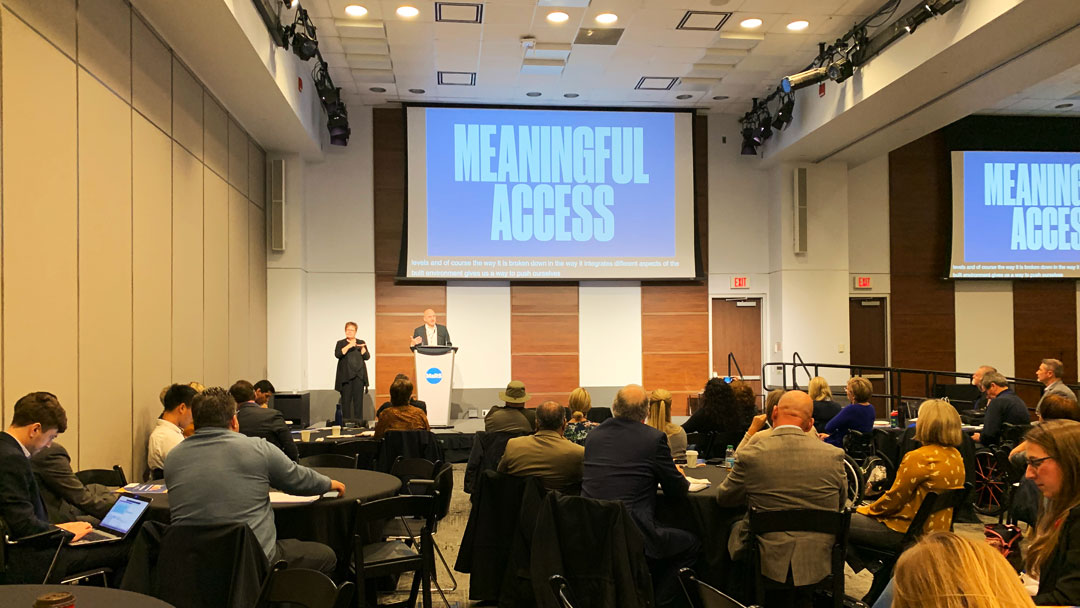
Accessibility also helps build trust. When people can access information clearly and independently, they are more likely to feel included and respected. They can participate more fully in workplaces, services, education, and community life.
That sense of inclusion matters.
Access benefits everyone. Accessible communication strengthens connection. It helps information reach more people clearly. It supports independence and participation in digital spaces that continue to shape everyday life.
As we continue creating websites, documents, forms, social media content, and digital resources, accessibility remains an opportunity to think intentionally about the experience being created for others.
Sometimes, the most meaningful improvements begin with small decisions made early in the process. A clearer structure, simpler communication, or a more accessible design choice can make information easier for more people to use and understand. Over time, these small changes can open the door to bigger access.
One meaningful way to celebrate GAAD is by learning one accessibility best practice at a time. Learn more through the Rick Hansen Foundation Accessible Communications page.