More Than a Device: How Assistive Technology Expands Possibilities

Imagine waking up tomorrow and not being able to read a sign, hear an announcement, find your way through an unfamiliar building, or open a door independently.
Now imagine technology helping to remove some of those barriers.
That is the reality for millions of people around the world who use assistive technology every day. These tools are not simply gadgets or devices. They help people learn, work, communicate, travel, and participate more fully in their communities.
Many people are familiar with technologies such as hearing aids, screen readers, wheelchairs, and many more. These tools continue to play an important role. Today, new innovations are creating possibilities that would have seemed impossible only a few years ago.
For people who are blind or have low vision, artificial intelligence is transforming access to information. Assistive tech such as ‘Be My Eyes AI’ can describe photographs, explain charts, identify products, and summarize documents within seconds. Instead of relying on another person for help, users can simply point their phone camera at an object and receive a detailed description.
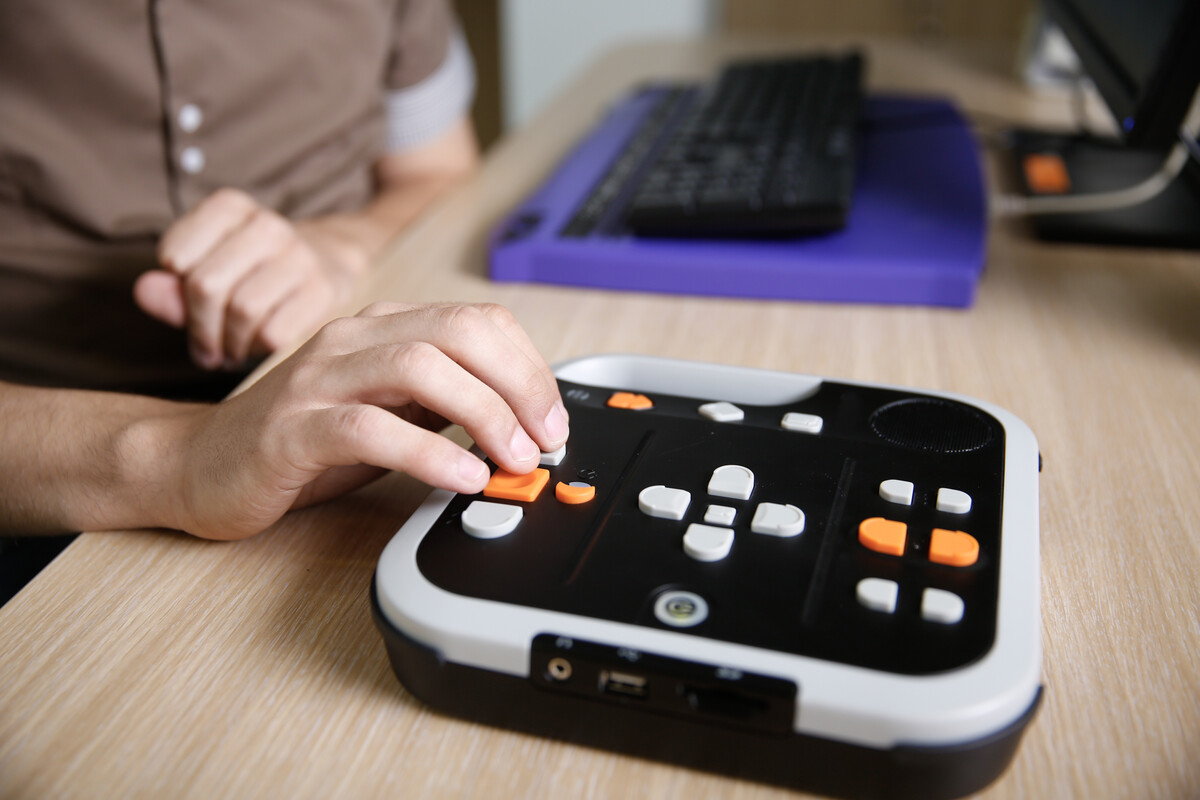
Other technologies are helping people access printed information more easily. Devices such as ‘OrCam Read’ can instantly read books, menus, letters, and signs aloud. For someone who struggles to read print because of vision loss or a print disability, this can make everyday tasks much easier.
Smart glasses are also becoming powerful accessibility tools. Devices such as ‘eSight’ and ‘Ray-Ban Meta’ glasses can help users identify objects, access visual information, and receive real-time descriptions of their surroundings. These tools are helping people move through spaces, recognize items, and interact with the world in new ways.
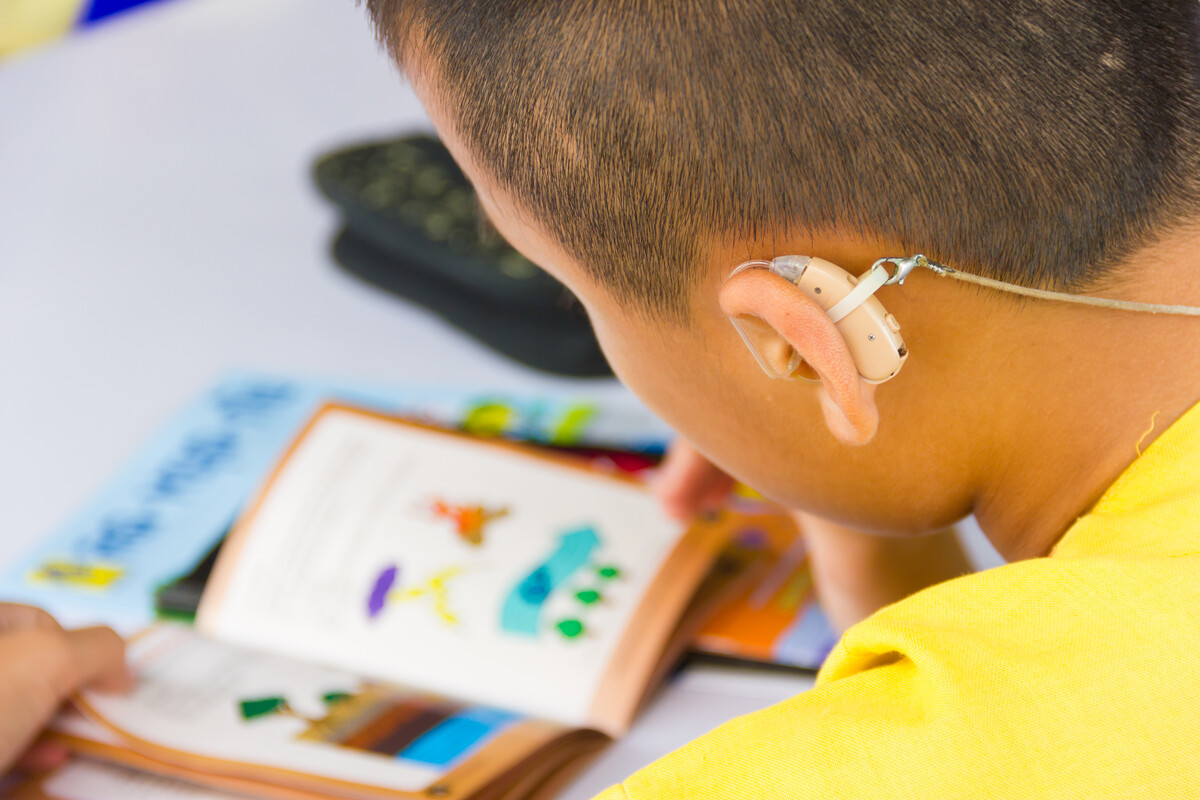
For people who are Deaf or hard of hearing, technology is making conversations easier to follow in everyday situations. Roger microphones can help reduce background noise and make speech clearer in classrooms, meetings, restaurants, and public spaces. Apps such as ‘Ava’ provide real-time speech-to-text access, allowing users to follow group conversations directly on their phones or tablets.
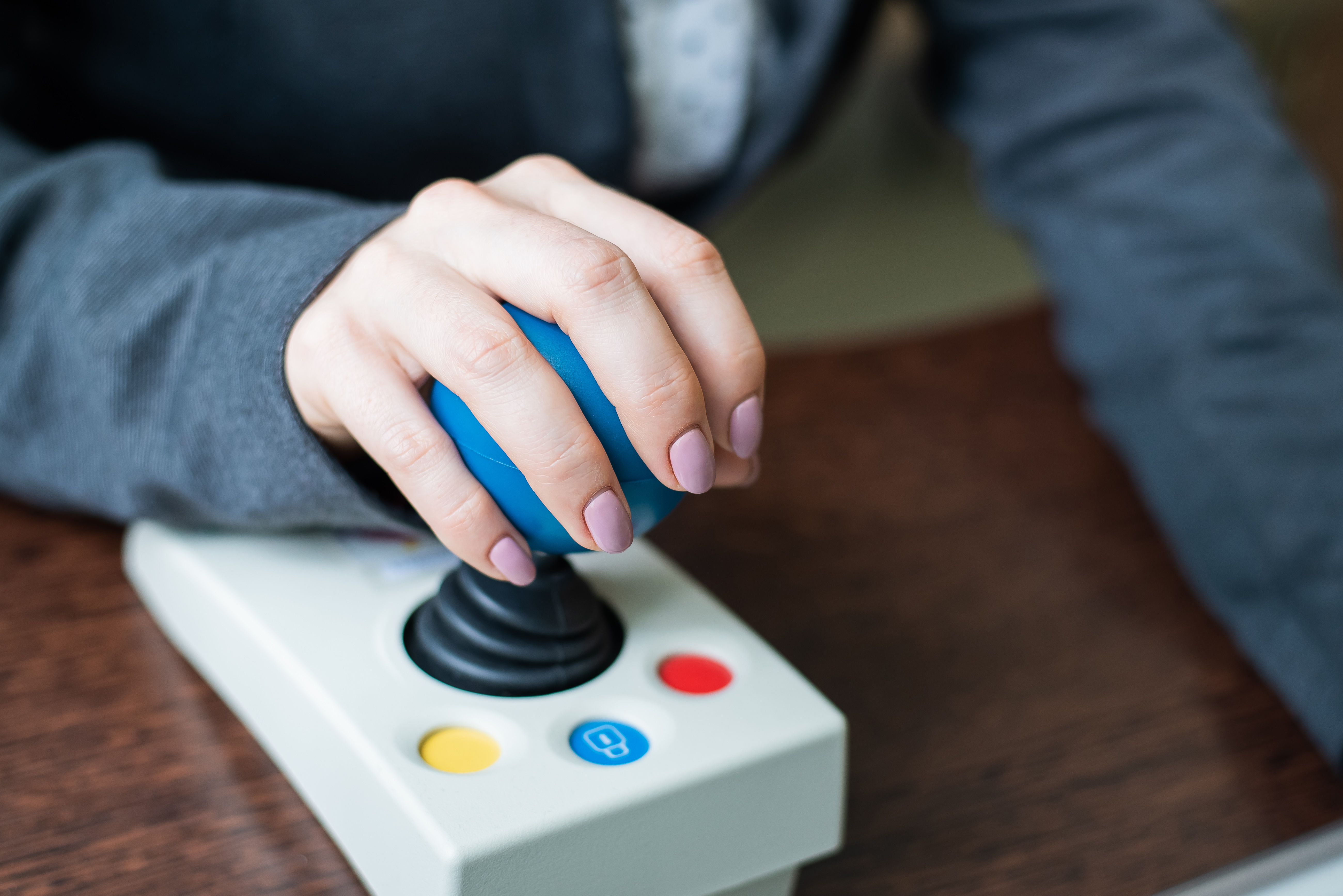
Innovation is also creating new opportunities for people with mobility disabilities. Tobii Dynavox eye-gaze technology allows some users to control a computer, communicate, write documents, browse the internet, and connect with others using only their eye movements. For individuals with limited speech or physical movement, these systems can be life changing.
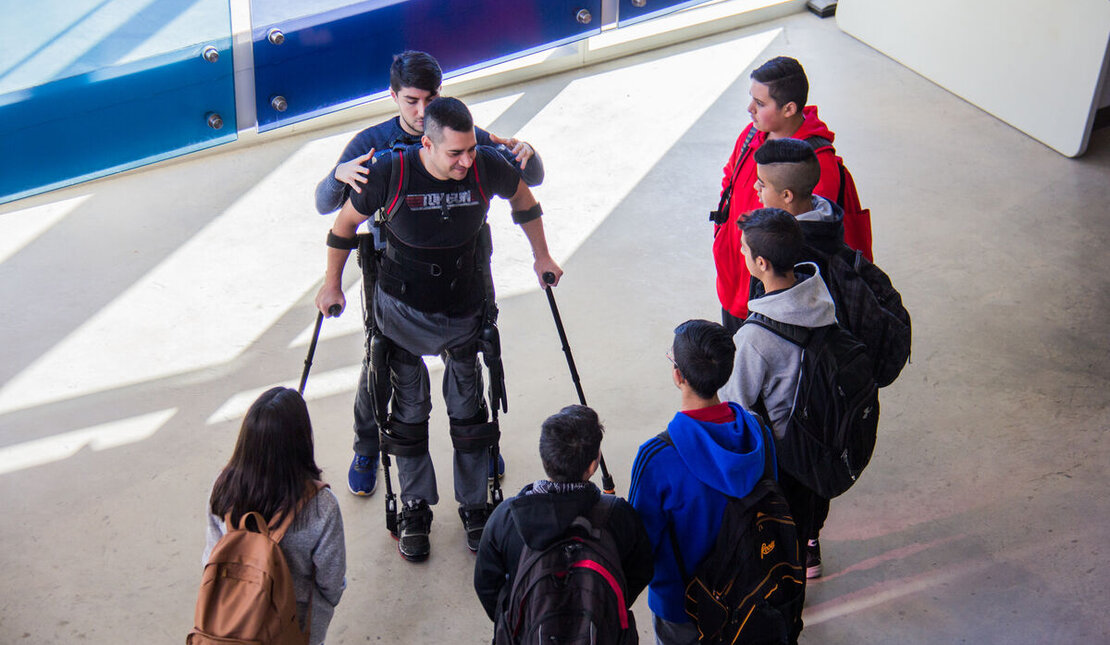
Mobility devices themselves are becoming smarter. Power wheelchArs, such as those developed by WHILL, are designed to navigate tight spaces, uneven surfaces, and everyday obstacles more easily. Combined with smart home technology, many people can now control lights, doors, televisions, and household appliances independently using a smartphone or voice command.
One of the most exciting developments in recent years is how artificial intelligence (AI) is being integrated into many assistive technologies. AI is helping people access information faster, understand their surroundings, communicate more effectively, and complete tasks independently. Tasks that once required assistance from another person can now often be completed using a device that fits in a pocket.
Yet technology alone is not enough.
Around the world, many people still do not have access to the assistive technology they need. Cost, availability, training, and awareness remain significant barriers. World Day for Assistive Technology is an opportunity to celebrate innovation, but it is also a reminder that access matters just as much as innovation.
At its heart, assistive technology is about people. It is about a student reading a textbook independently. It is about a professional participating fully in a meeting. It is about people communicating, learning, working, and participating in community life on their own terms.
As technology continues to evolve, so does the opportunity to build a more accessible and inclusive world. The innovations we see today are helping remove barriers, open doors, and create new possibilities for millions of people.
Because when barriers are removed, possibilities grow.