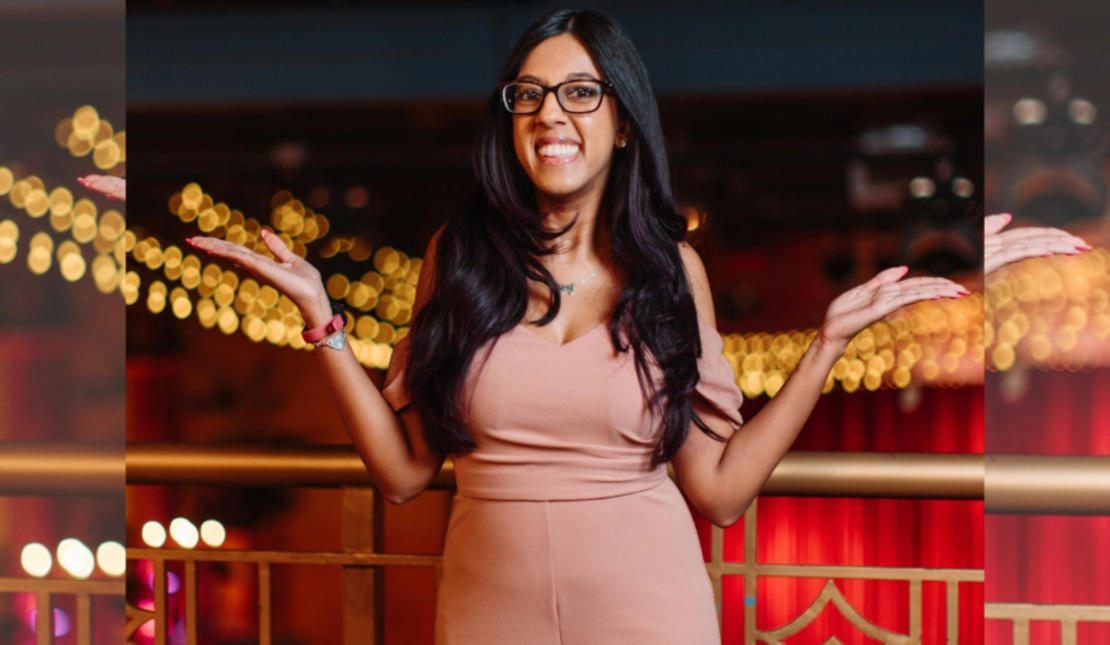
Lauren Pires, RHFSP Ambassador, Hopes to Bring Disability Representation to Youth

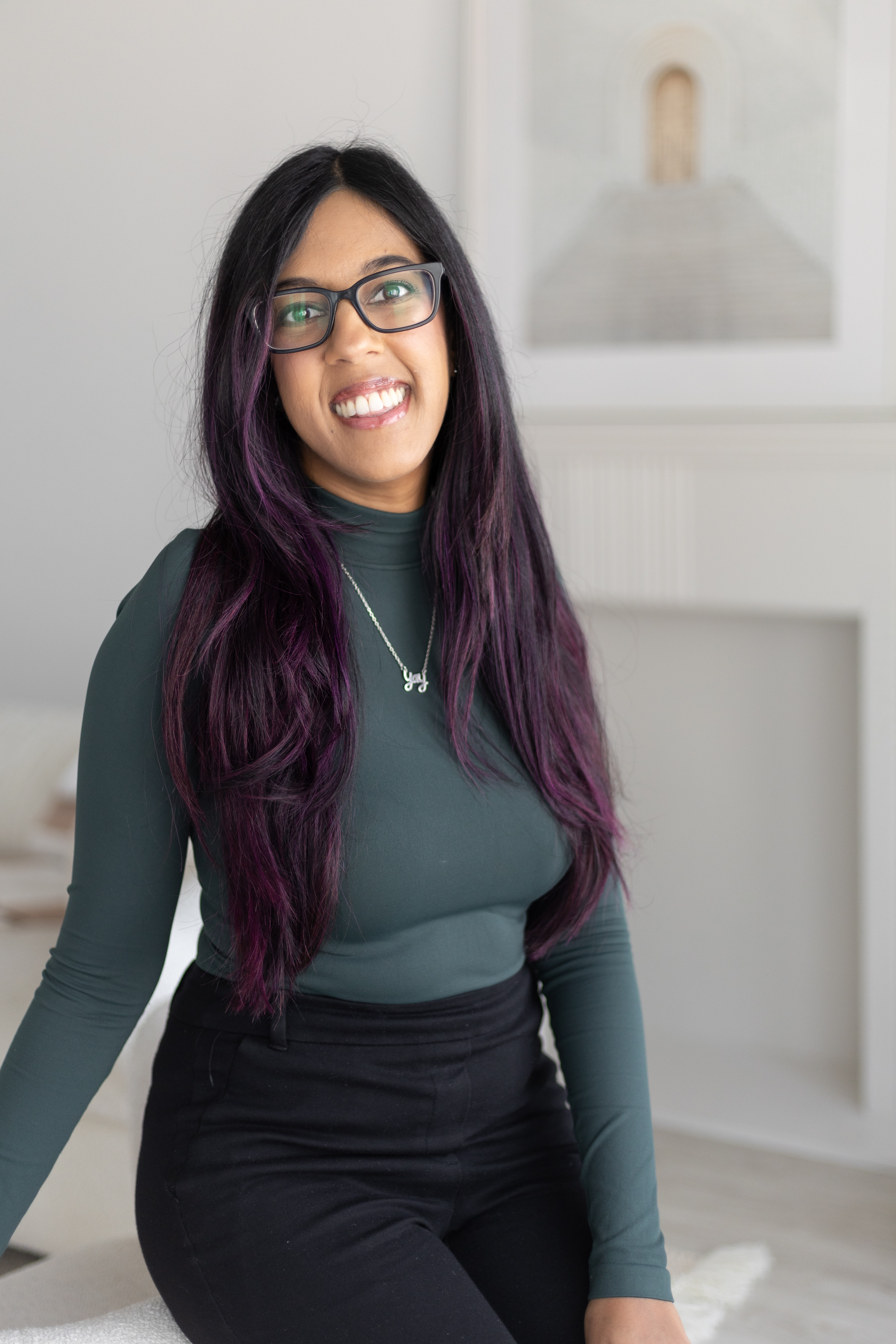
Being born with a neuromuscular disorder, Lauren Pires didn’t often see any sort of disability representation that she could relate to. This is something she now wants to change for other kids.
“If there had been more representation of people with physical disabilities who didn’t require mobility aids when I was growing up, I think it would have helped me feel seen,” Lauren said. “I want to bring that to others.”
Lauren is now one of the new Rick Hansen Foundation School Program (RHFSP) Ambassadors. The RHFSP Ambassadors give presentations to Canadian youth, seeking to engage and challenge stereotypes by sharing their own experiences.
Lauren had been looking for more speaking opportunities when she heard of RHFSP last spring. A posting was open for Ambassadors, and Lauren jumped at the chance.
“It was the exact thing I was looking for. I love being able to explain invisible disabilities to young people in a way they’ll understand. It was perfect,” she said.
Giving Ambassador Presentations
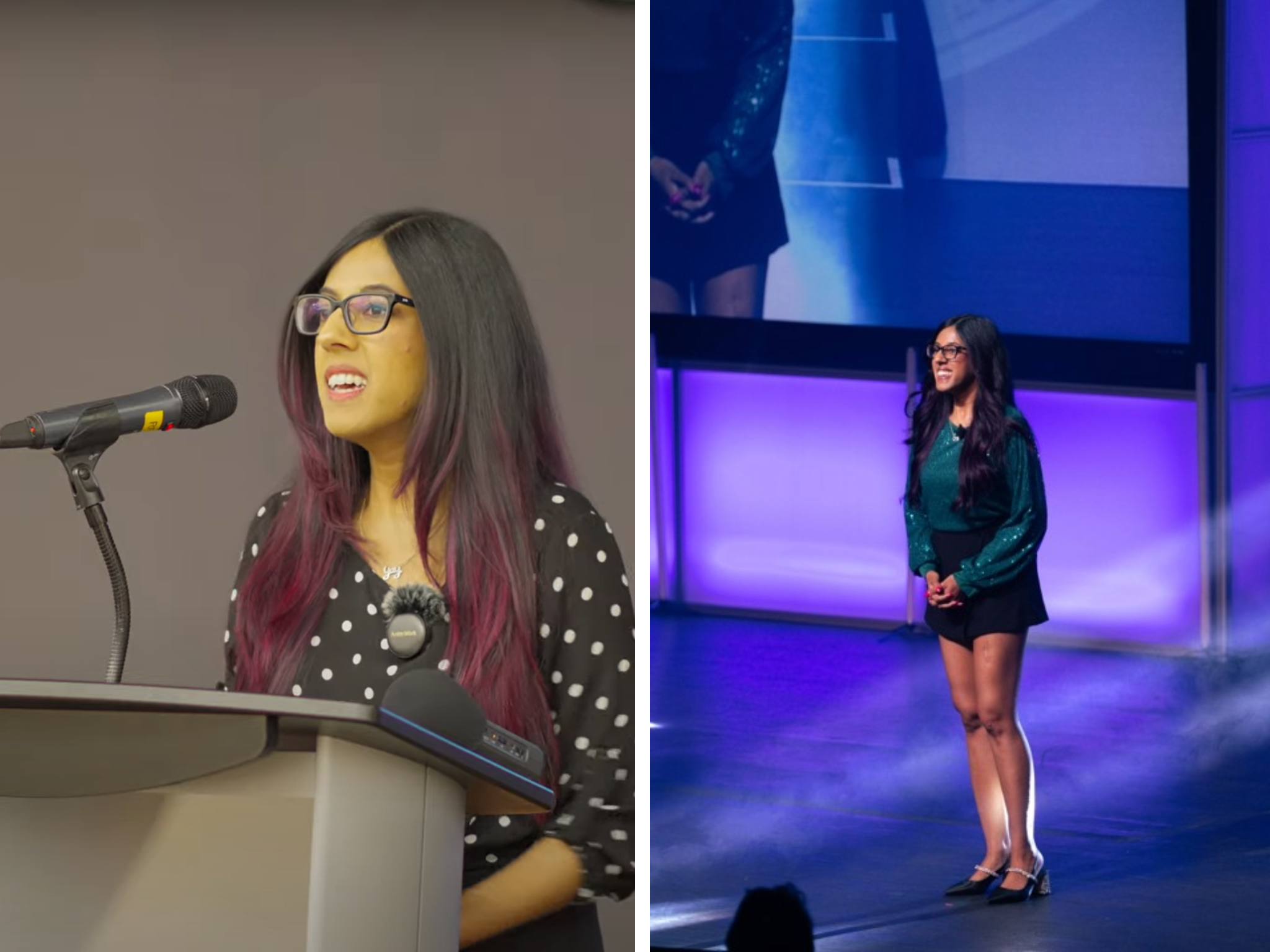
Lauren gave her first presentation in May during National AccessAbility Week for grades five through eight.
“It was a beautiful experience,” she said of her presentation. “It's amazing to see schools take advantage and open students' eyes to inclusion.”
She also explained that the curiosity that these kids show is incredible, and she hopes that by asking questions, they will be more aware of how to include others.
“One child asked me ‘did you ever feel left out at recess’,” Lauren said. “It's great they asked, because if you think about that, then you can recognize and include someone who might be feeling left out”
So far, the youth she has presented to have been wonderful and very engaged.
“I hope that kids are able to see that kids with disabilities are just like them,” Lauren said.
Supporting Learning about Disability
Lauren wants youth to challenge stereotypes, and their own understanding of what disability is through these presentations.
“I think it's very easy when you don’t know someone with a disability to believe that they aren’t like you,” Lauren explained. “I really hope that kids can open their thoughts and minds to disability and learn about all the ways each of us are similar.”
Lauren emphasized that accessibility benefits everyone, not just people with disabilities. Something she also tries to express in her presentations.
“There are so many things in our environment and accessibility practices that benefit all sorts of people with and without disabilities,” Lauren said. “It serves the broader community as well.”