City of Kelowna is Striving to Be a City Where Everyone is Welcome

Over 150,000 people call Kelowna home. With Okanagan Lake, provincial parks, mountains and vineyards, the city hosts a myriad of events and draws over 2.2 million visitors annually. With this many people, accessibility and disability inclusion are important to ensuring everyone can live, learn, work, and play to the fullest extent.
“Accessibility is about more than removing barriers—it is about ensuring every resident and visitor feels welcome to enjoy our parks, beaches, and public spaces," Kelowna Mayor, Tom Dyas, said. "Rick Hansen’s recent visit to Kelowna was a powerful reminder of how far we have come and how much more we can achieve. Through this grant and beyond, we are proud to be taking meaningful steps toward building a city where everyone can live, learn, work, and play.”
In 2024, the City of Kelowna was the recipient of the Rick Hansen Foundation’s BC Accessibility Grants program.
This program, supported by the Government of British Columbia, grants funding to municipalities to improve accessibility for people in their communities. Recipients of the grants receive an Rick Hansen Foundation Accessibility CertificationTM (RHFAC) rating for up to three sites to identify areas of improvement in the built environment; up to $90,000 in accessibility improvement funds; a post-improvement rating to showcase enhanced access; accessibility Awareness Training for municipal staff to foster a culture of disability inclusion; and complimentary RHFAC Training tuition grants for three eligible staff.
Improving physical access in the city
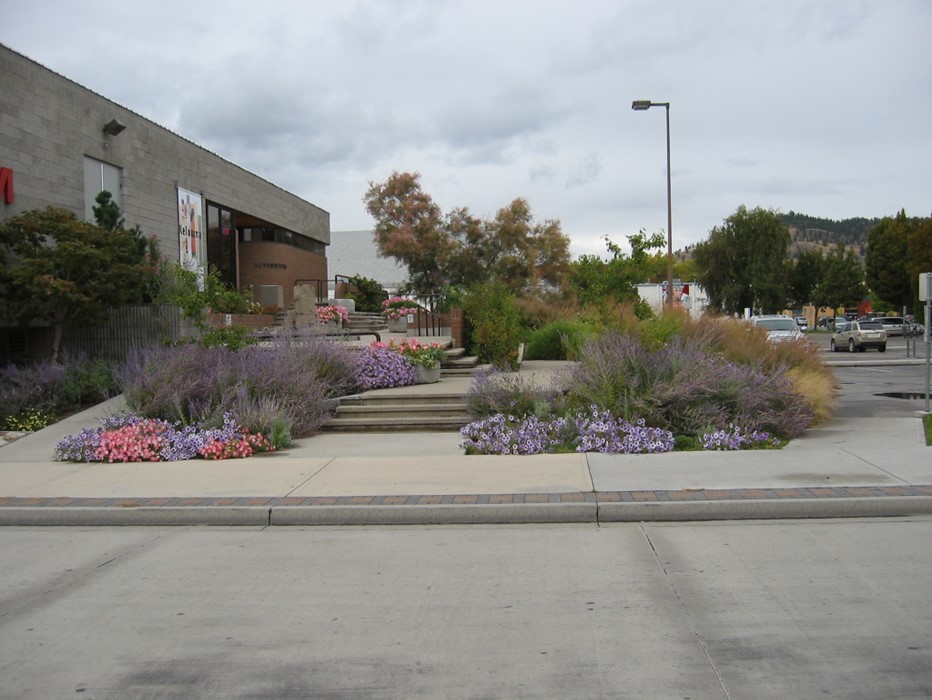
The City of Kelowna chose to upgrade two sites with the grant funding: the Okanagan Heritage Museum and the Parkinson Activity Centre.
Museums have the ability to draw school groups, visitors, and local individuals to learn and enjoy activities. The Okanagan Heritage Museum is no exception. With displays on the history of the region, the biodiversity in the area, and home to the Central Okanagan Sports Hall of Fame, this museum draws over 10,000 visitors annually. Among all these visitors, there are many with diverse disabilities who deserve equal access to all the site has to offer, making it a clear choice to pursue accessibility upgrades.
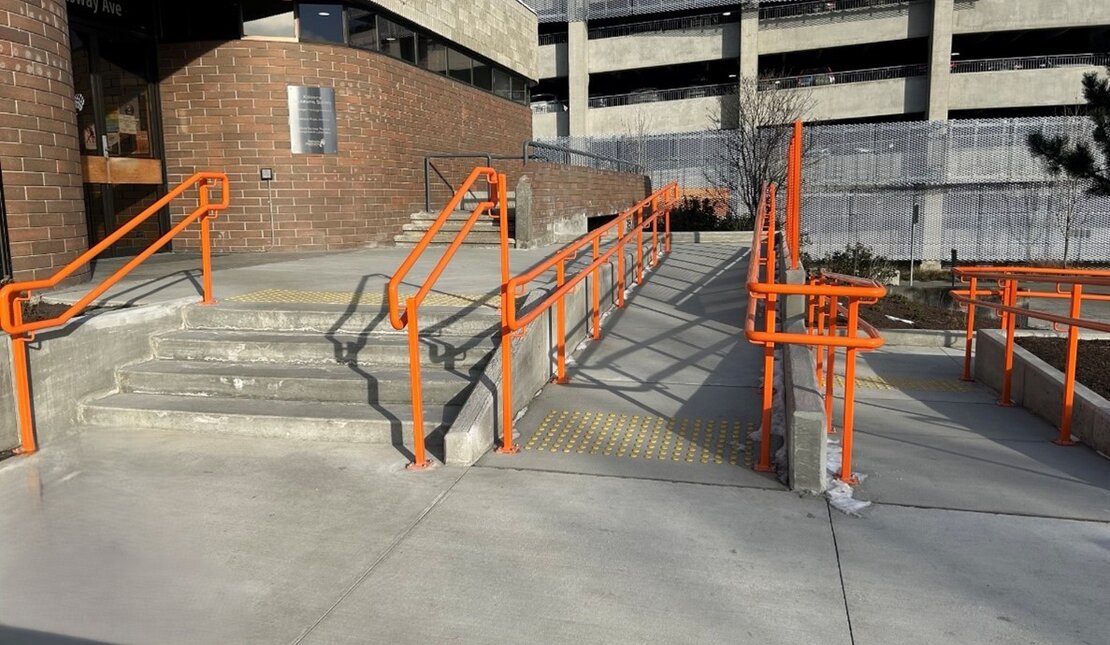
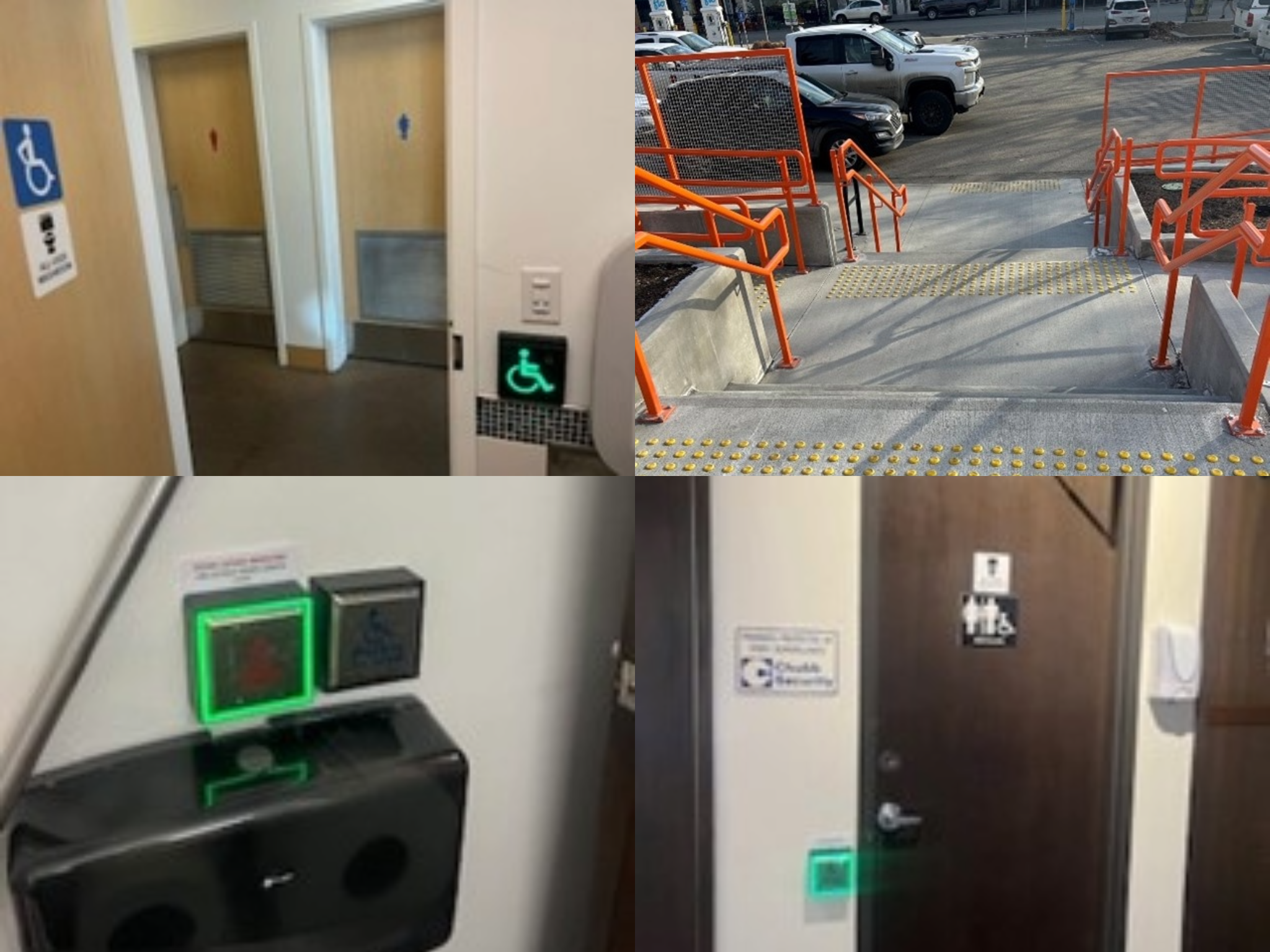
Kelowna updated the museum with the installation of an automatic door opener and improving exterior stair nosing and adding tactile strips. They also completed a new ramp design to make it more accessible for all.
The Parkinson Activity Centre is a multi-use facility that caters its recreation and cultural programs to those aged 50 and above. The centre offers activities including yoga, painting, tai chi, computer lessons, and more.
Upgrades to this site included the installation of an automatic door opener on the washrooms to ensure that everyone who comes can access the site and everything it has to offer.
“Enhanced accessibility creates an inclusive environment for everyone, regardless of physical ability,” Jo Lynch, the receptionist at the Parkinson Activity Centre said. “The BC Accessibility Grants program have improved our facility by adding automatic door openers to washrooms, making them more convenient for all members, visitors, and staff.”
To complete all these upgrades, the City of Kelowna collaborated closely with building operators and users to understand the challenges and needs at each site and what upgrades would make the biggest impact.
“By integrating RHFAC recommendations and stakeholder input, we are creating a more inclusive and accessible environment for the community,” a representative from the city said in the final report.
Moving forward to build a culture of accessibility
The City of Kelowna is not stopping there. They want to continue to move forward with RHFAC ratings on other buildings to understand where to make upgrades as part of their commitment to improving accessibility.
“This program has been instrumental in identifying key areas for enhancement, guiding our future planning and infrastructure improvements,” the City of Kelowna said. “Moving forward, we aim to incorporate RHFAC into new projects and renovations, ensuring our spaces are inclusive and accessible to all residents.”