The World You Can Read With Your Hands

“So long as I confine my activities to things I can do with my hands, I am fast and accurate. But when I have to depend on sighted eyes to read for me, I am not myself.”
— Helen Keller
This quote says something important. Reading is about learning and enjoying words in your own way. For people who are blind or partially sighted, braille brings that joy every day.
When you watch someone read braille, you see a quiet moment of focus. Fingers move gently over raised dots or a smooth digital display. The reader’s face relaxes as they enter a story, a message, or instructions. This is the world of braille: calm, direct, and full of possibility.
A World Built Through Touch
Braille is a complete reading and writing system. For generations, braille has opened the world of words to people who read by touch. Imagine a student discovering new subjects in braille books, an adult organizing important notes, or someone ending their day with a poem under their fingertips.
Braille helps with spelling, punctuation, structure, and meaning. It’s a strong tool for learning and clear communication. Braille works on paper, on displays, and on smart devices, so it keeps growing in today’s digital world.

Reading in Silence, Reading with Confidence
Braille creates private, peaceful moments. With braille, people can read quietly, without sound or distraction. They can skim, pause, reread, and reflect, just like anyone reading a printed page.
This silent independence gives control to the reader. It makes reading feel personal and empowering.
Braille in a Digital Age
Today, braille blends with technology. Digital braille displays connect to phones, computers, and e-readers. They let people read documents, articles, messages, and books anytime. This mix of traditional braille and digital access creates new ways to learn, work, and explore.
Why Braille Builds Literacy in a Unique Way
Audio tools are helpful, and many people use them every day. But braille offers something different. It shows how words are formed: spelling, spacing, structure, and punctuation.
Through braille, readers understand how language works on the page or display. Braille strengthens writing, supports vocabulary, and builds strong literacy skills that sound alone cannot teach.
A Day in My Life With Braille
To show how naturally braille fits into daily life, here’s a glimpse into my own day.
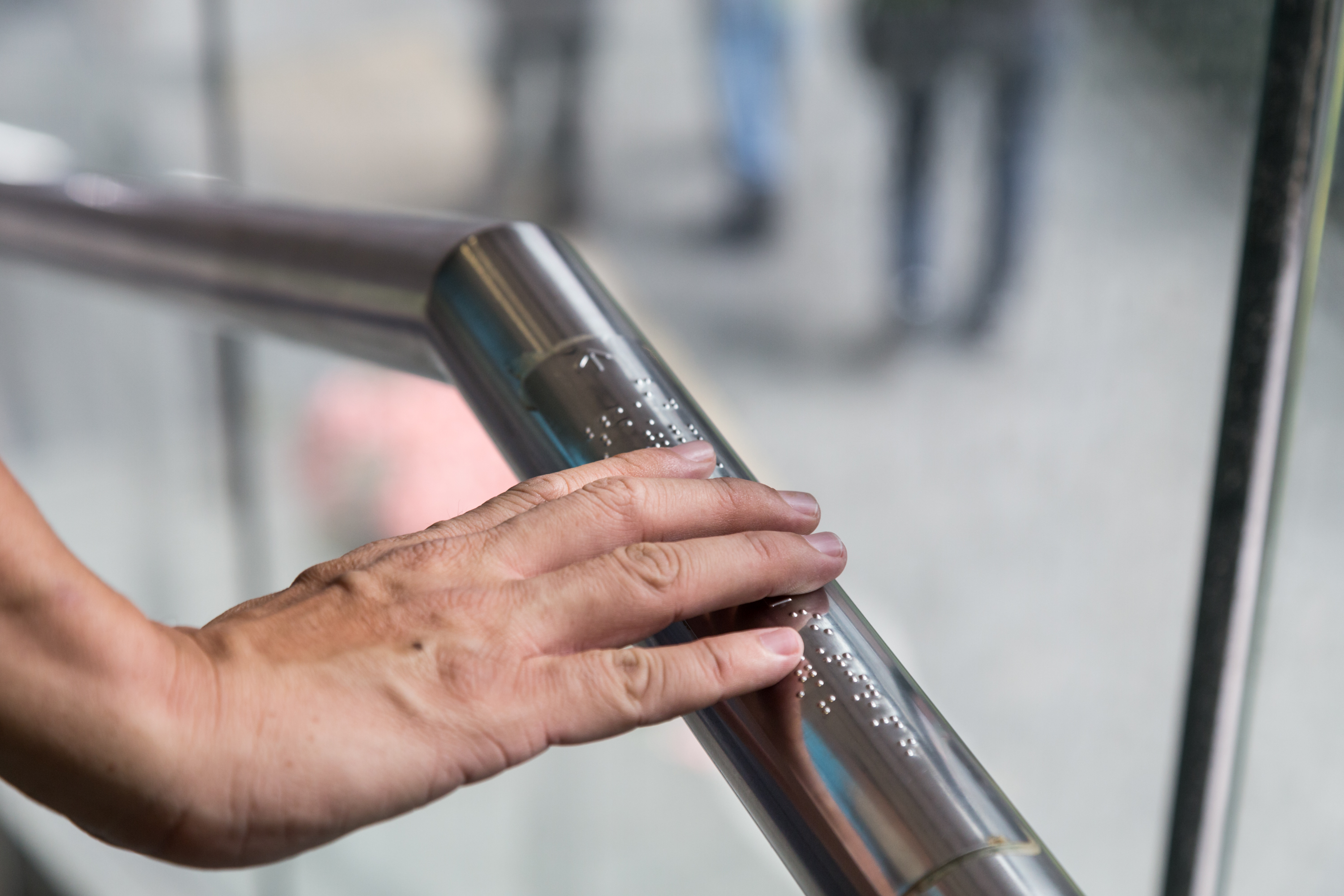
In the morning, I check my to-do list on my braille display. The small cells rise and fall under my fingers, reminding me of meetings and tasks. Early or late, I read my messages the same way, quietly and at my own pace.
When I cook, braille helps me stay organized. I label spices, containers, and kitchen tools in braille, so I can find what I need without guessing.
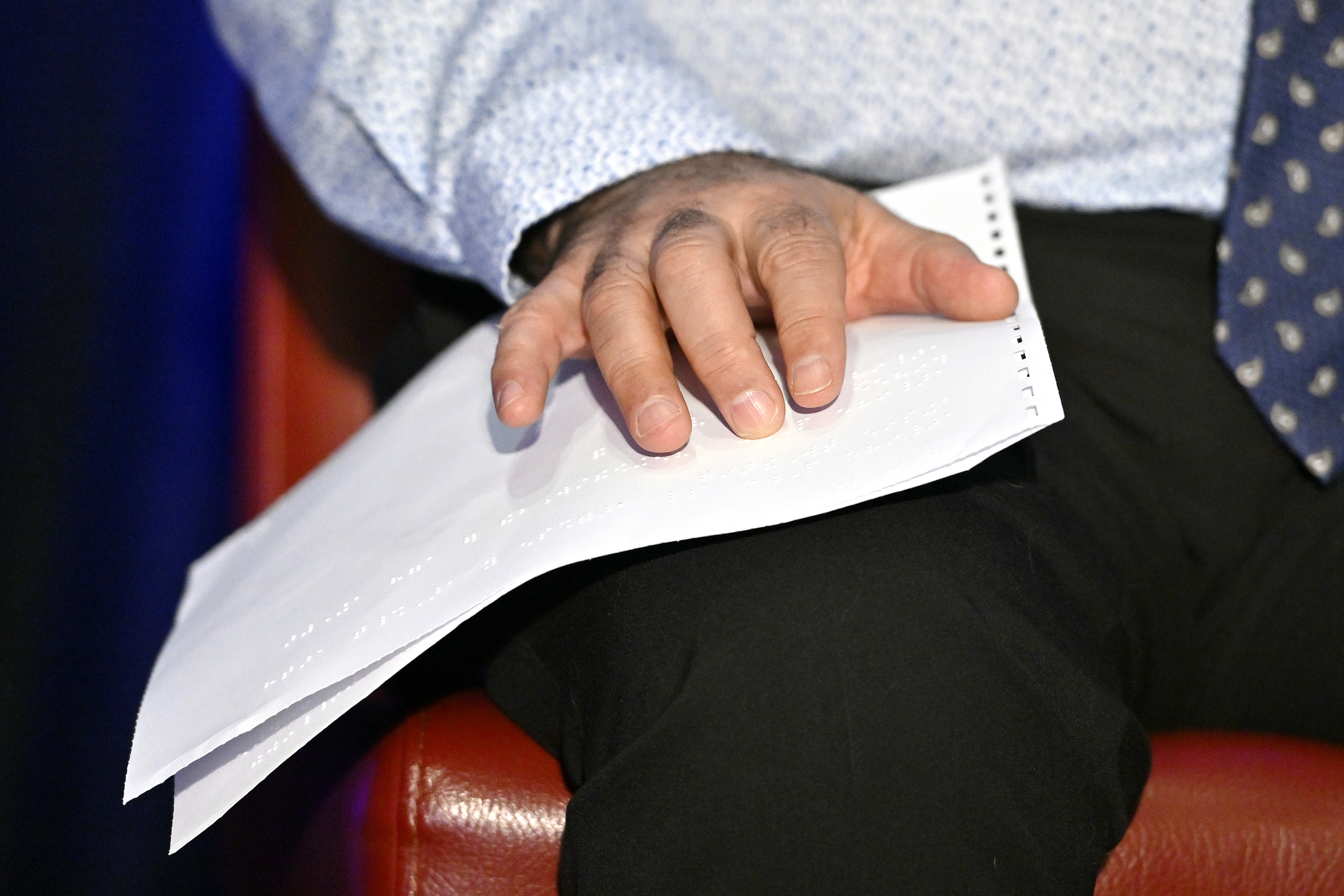
At work, braille helps me lead presentations and review information. With my notes printed in braille, I can read while speaking, keep track of key points, and stay focused without needing audio.
At home, I use braille labels for important documents, passwords, measuring tools, and personal files. These small touches make daily living smoother and more accessible.
Some evenings, after a long day of listening to a screen reader, braille helps me unwind. Whether I read a short article or revisit a favorite book, braille brings the story to my hands in a clear and peaceful way.
Throughout my day, braille supports learning, communication, organization, and independence. It’s simply part of how I read.
Celebrating Braille Today
World Braille Day is a time to celebrate how far braille has come and how much it continues to offer. Braille is one of the strongest tools for literacy and inclusion. It invites people into full participation in the world of written language.
As we honor Louis Braille’s legacy this year, we celebrate everyone who reads with their hands. These are people who explore, work, plan, imagine, and dream through touch. Braille continues to open doors. It continues to teach. It continues to bring joy.
Braille shows us that literacy truly belongs to everyone.