World Hearing Day (March 3 2026)
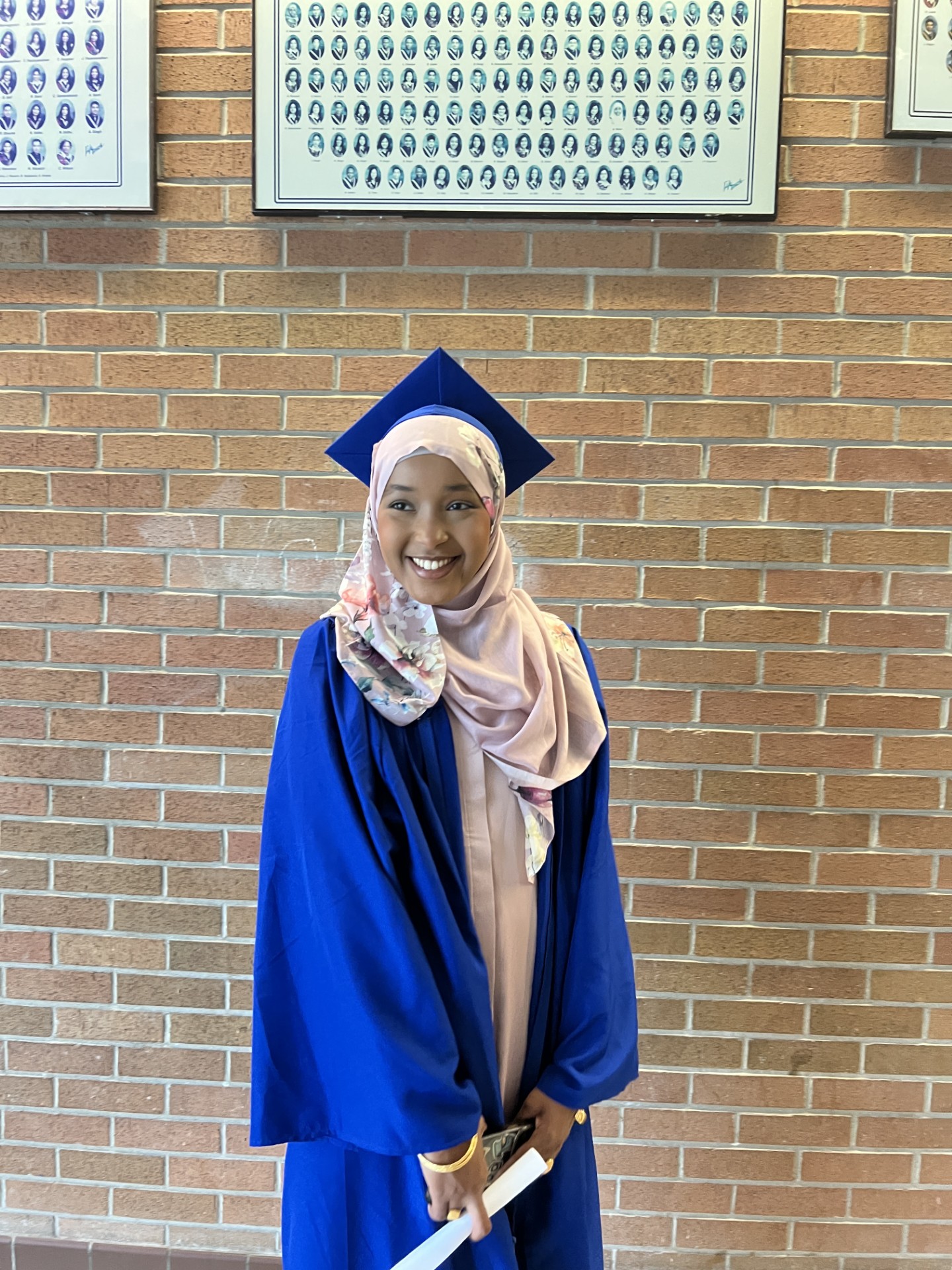
Diagnosed with hearing loss at age three, Sahra Dahir knew better than most the importance of advocating for students with hearing loss in schools.
As a Muslim woman of Somali descent wearing cochlear implants, Sahra faced, and overcame, multiple barriers. In addition to succeeding at school, Sahra became an active participant in several extracurricular activities. She even participated in the 2023-24 Communication Contest for the Deaf and Hard of Hearing, where she spoke about how optimism and resilience can influence how we perceive our world.
And in 2025, the Rick Hansen Foundation was proud to recognize Sahra’s achievements and potential, awarding her the Rick & Amanda Hansen Scholarship for Youth with Disabilities.
World Hearing Day 2026
Every year we mark World Hearing Day on March 3. This year, the theme selected by the World Health Organization focuses on children and youth.
Understanding the vital importance of early intervention, we are asked to act now. We are working towards a world where no child is left behind due to ear or hearing problems. And as we recognize World Hearing Day in 2026, we celebrate the critical role of schools, education professionals, and young people like Sahra to act as catalysts for disability inclusion and accessibility.
Hearing loss affects around 90 million children and adolescents aged 5-19 years globally. According to the Canadian Pediatric Society, hearing loss is the most common congenital condition (meaning it is present at birth) in Canada, with about 3 in 1000 babies born severely deaf, and another 3 in 1000 having serious hearing loss. Audiometry results from the 2012-2015 Canadian Health Measures Survey indicate that 8% of children and youth aged 6 to 19 had hearing loss that was considered slight or worse.
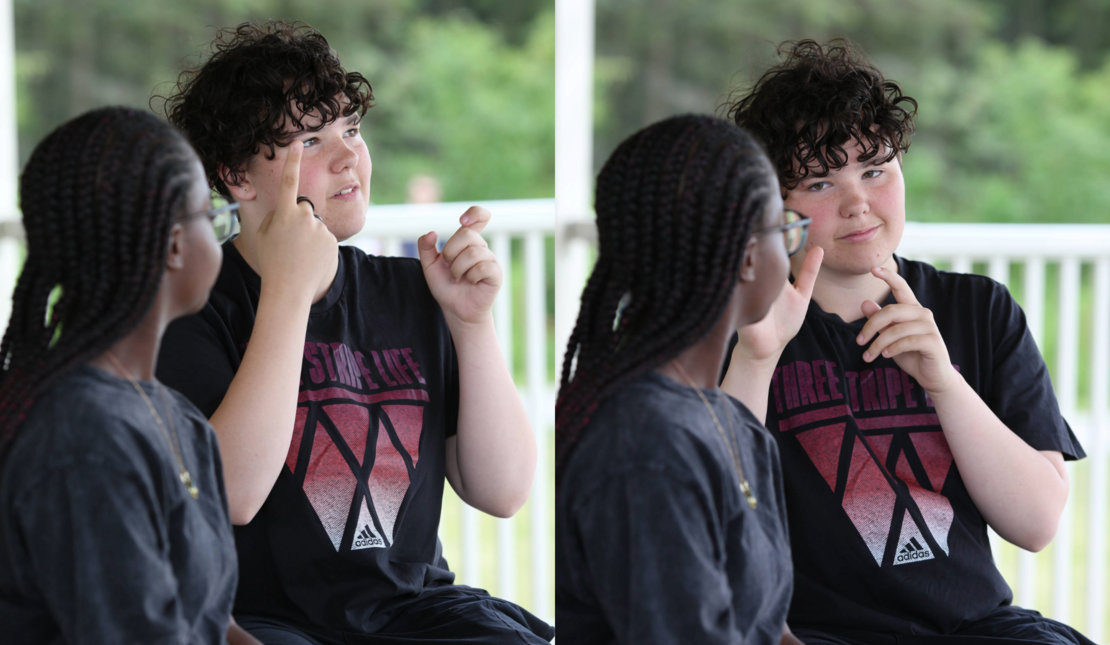
Hearing disabilities affect how well a person hears, or whether they hear at all. Some people may have trouble hearing in a noisy environment or when multiple people are speaking. Common types of hearing disabilities include deafness (people who are deaf usually have little or no hearing), deafened (people who lost their hearing after learning to speak), and hard of hearing (people with hearing loss, ranging from mild to severe).
Hearing loss causes many barriers and challenges, including communication challenges, academic delays, emotional distress, and social isolation. Children with hearing loss are at higher risk for speech and/or language delays, learning problems, behaviour issues and attention deficits. Despite their potential, young people with disabilities face systematic barriers that limit their access to education, meaningful participation, and future employment. As a result, the World Health Organization calculates that unaddressed hearing loss poses an annual global cost of almost US$1 trillion.
The vital role of schools and classrooms
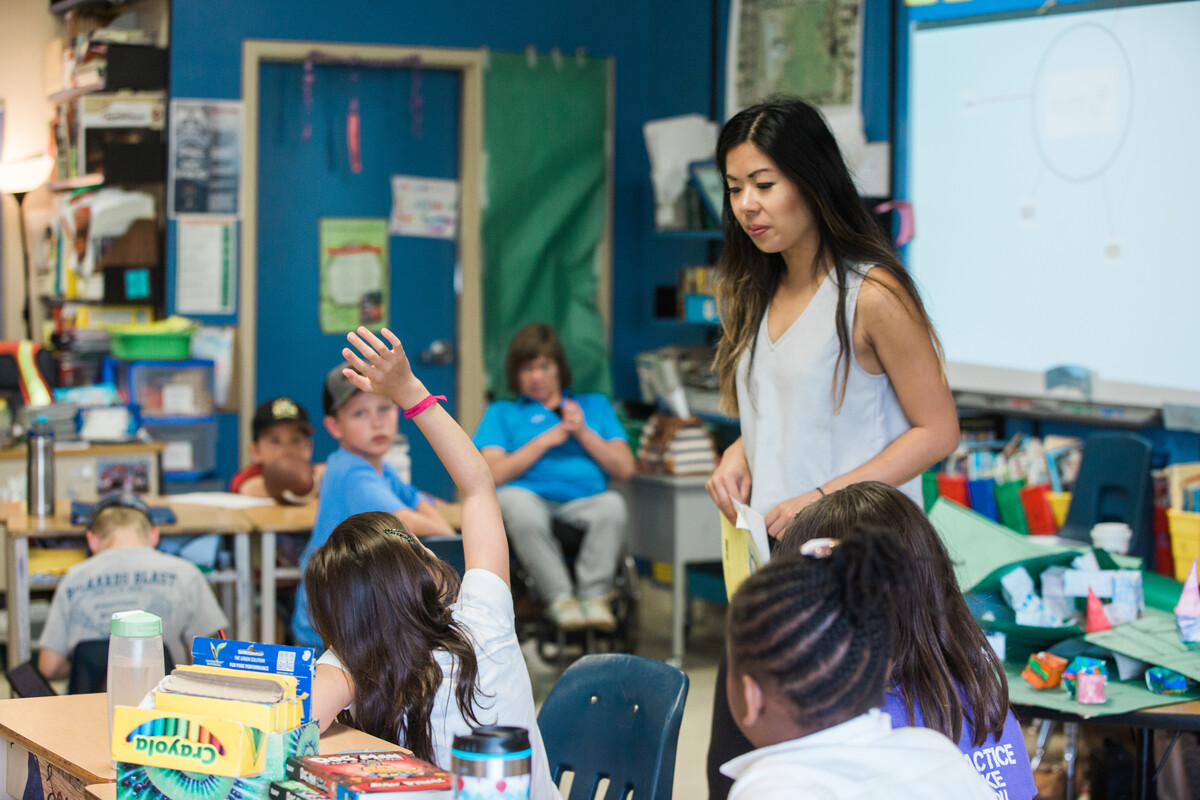
In choosing the 2026 World Hearing Day theme to be “From Communities to Classrooms: Hearing Care for All Children”, the World Health Organization recognizes the importance of classrooms as natural entry-points to reach children, parents, and teachers. The Rick Hansen Foundation agrees: classrooms are a critical catalyst for addressing accessibility among children and youth.
The Rick Hansen Foundation School Program (RHFSP) works to equip young people and educators with the knowledge and tools to build a more disability-inclusive world. Our freely available, age-appropriate online resources are available in English and French and allow educators to access lessons, activities, and other resources to fill gaps related to accessibility and inclusion in the Canadian public-school curriculum. For example, our lesson on Understanding Disability supports Secondary-aged youth to gain new insights and foundational understanding of vision, hearing, and mobility disabilities.
Studies show that inclusive education improves attitudes and engagement for all students. By embedding disability inclusion into classrooms, RHFSP lays the foundation for long-term social and economic participation.
Learn more about the Rick Hansen Foundation School Program, and access our library of free, bilingual resources here.
Empowering young people today for a more inclusive tomorrow
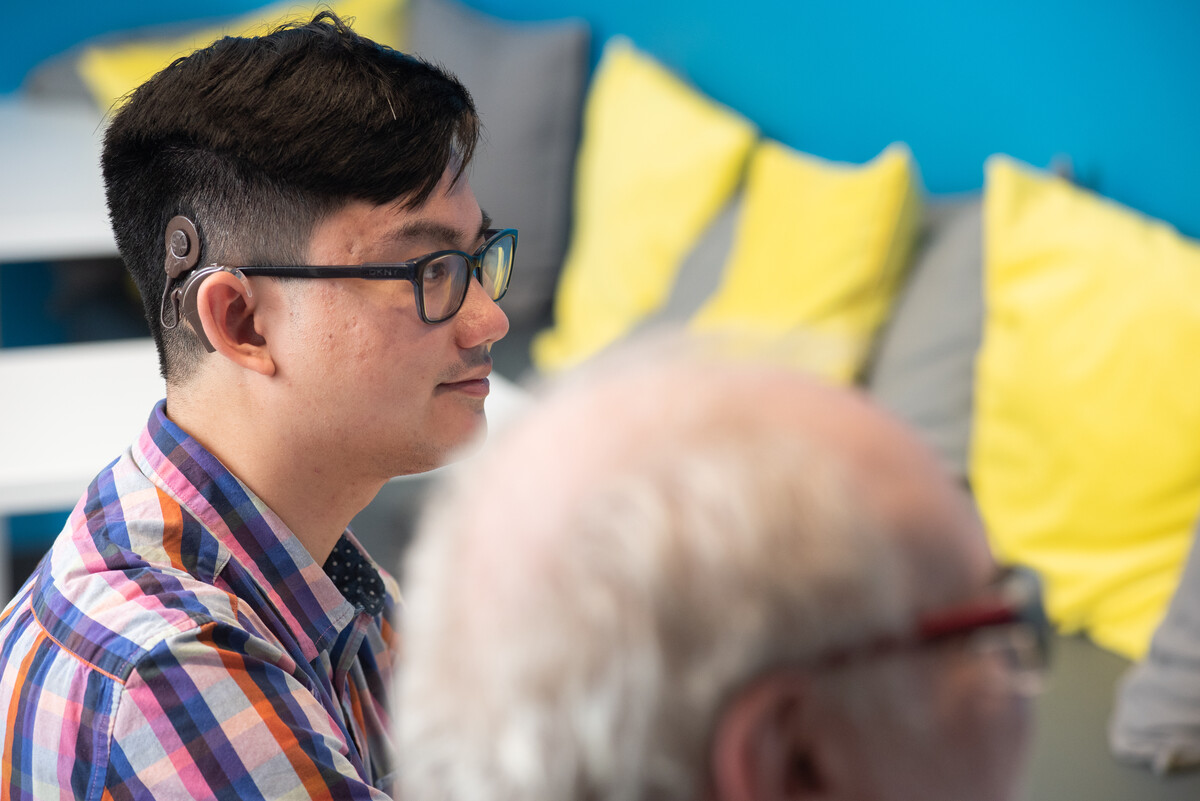
Sahra has high hopes for the future. Supported by her Scholarship, she is pursuing a Bachelor of Science in Nursing, and dreams of becoming a health professional who provides compassionate care to her patients. She hopes her education and experience will help to remove challenges and barriers for others.
This World Hearing Day, we remember that it is by empowering remarkable young people like Sahra that we continue to drive forward accessibility, building a more inclusive world for people of all abilities.