The White Cane: Independence in Motion

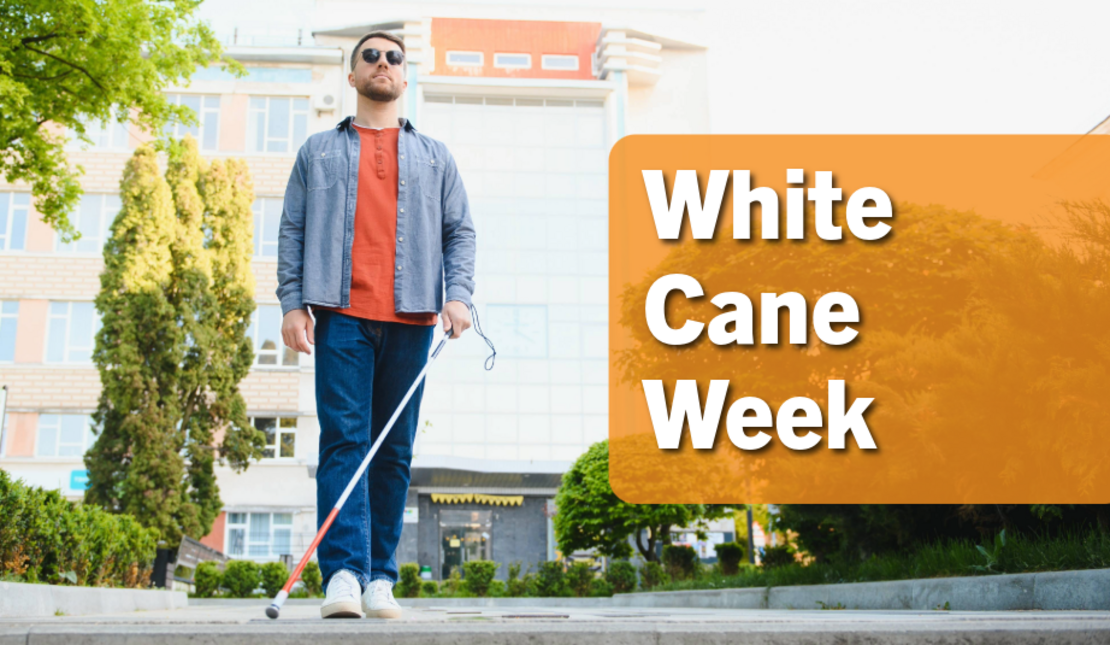
Every year, during the first full week of February, Canadians come together to acknowledge White Cane Week, a national awareness campaign dedicated to celebrating the independence and contributions of people living with vision loss.
In 2026, the official White Cane Week theme, as published by the Canadian Council of the Blind, is: “A lack of sight is not a lack of vision.”
This year’s theme challenges old assumptions about blindness and low vision. It invites every community to reflect on what vision truly means. It reminds us that vision is about much more than eyesight. Vision is the ability to imagine, understand, lead, create, and shape change.
For too long, societal narratives have focused on limitations rather than possibilities. The theme for White Cane Week 2026 reframes the conversation by reminding us that people with vision loss are visionaries in their own right. They lead full lives, pursue careers, raise families, solve problems, innovate, educate, and contribute in countless ways to the cultural and economic fabric of Canada.

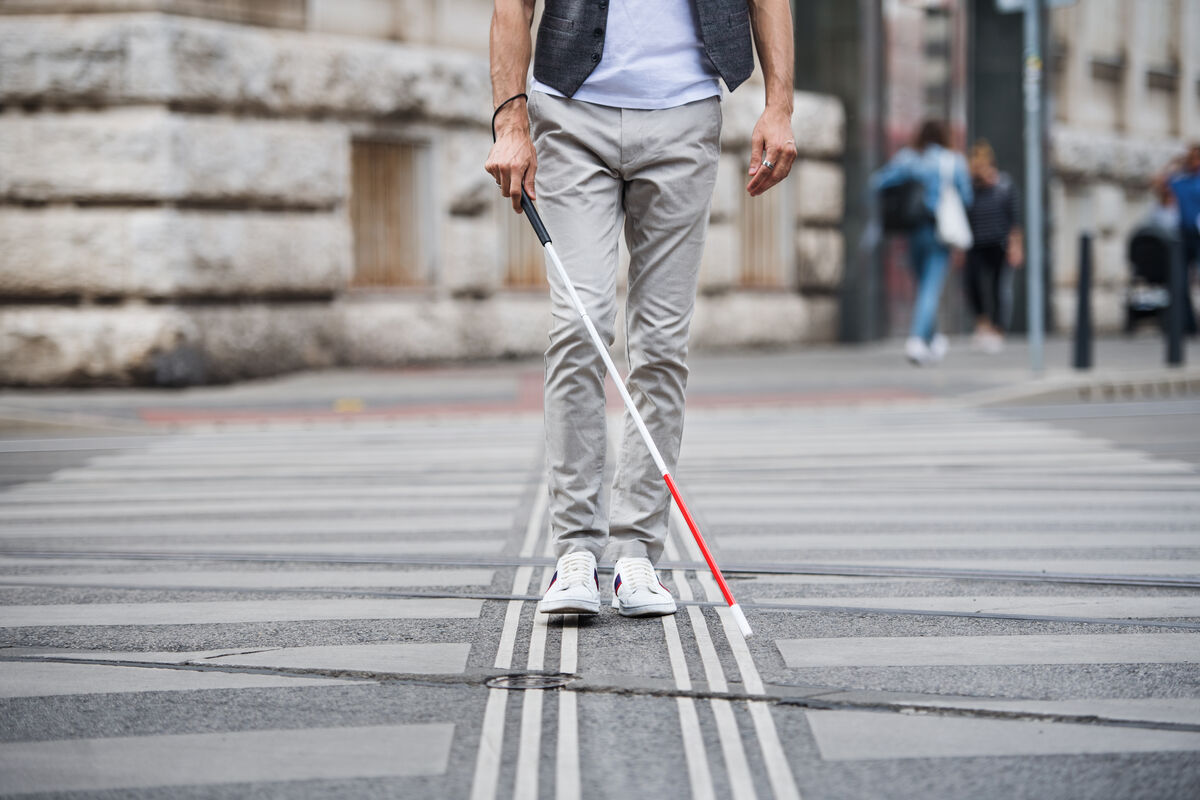
At the heart of White Cane Week is the white cane, a mobility tool that has become a symbol of independence. The white cane allows people who are blind or have low vision to navigate the world around them with confidence. It signals to others a need for clear pathways, respectful awareness, and inclusive design in public spaces. The white cane often be considered as a sign of vulnerability but it is actually a tool of autonomy and self-direction.
Throughout this Week, communities across Canada are encouraged to:
- Educate themselves and others about the lived experience of people with vision loss.
- Acknowledge and celebrate the achievements of individuals who are blind or have low vision.
- Support inclusive practices in workplaces, schools, public transportation, and civic planning.
- Reflect on personal biases about disability and ability.
“A lack of sight is not a lack of vision” is a call to action. It invites each of us to expand our understanding of ability and to acknowledge that people living with vision loss can contribute through their unique insights, strengths, and perspectives.
White Cane Week is therefore an opportunity for all Canadians to foster greater inclusion and accessibility. A truly inclusive society does not merely tolerate differences. It welcomes it, learns from it, and grows because of it.
While the white cane is widely recognized, there are still many misunderstandings about its purpose and proper use. One common myth is that every person who is blind or partially sighted uses a white cane. In reality, vision loss exists on a spectrum, and not everyone chooses or requires one. The decision to use a white cane is personal and often based on mobility needs, safety, and training.
Another misconception is that a white cane is simply a stick used to feel for objects. In fact, the white cane is a precise mobility tool. It is used to detect changes in surface texture, identify drop-offs such as curbs or stairs, locate obstacles, and maintain orientation in space. Many people who use a white cane rely on landmark recognition and environmental cues to travel independently. The cane works together with listening skills, memory, and structured mobility techniques.
Training is essential. Orientation and mobility training teaches individuals how to use the white cane effectively and safely. Without proper training, a cane user may not develop accurate technique, directional control, or the ability to interpret environmental feedback correctly. Proper training reduces the risk of accidents and strengthens confidence and safety in public spaces.
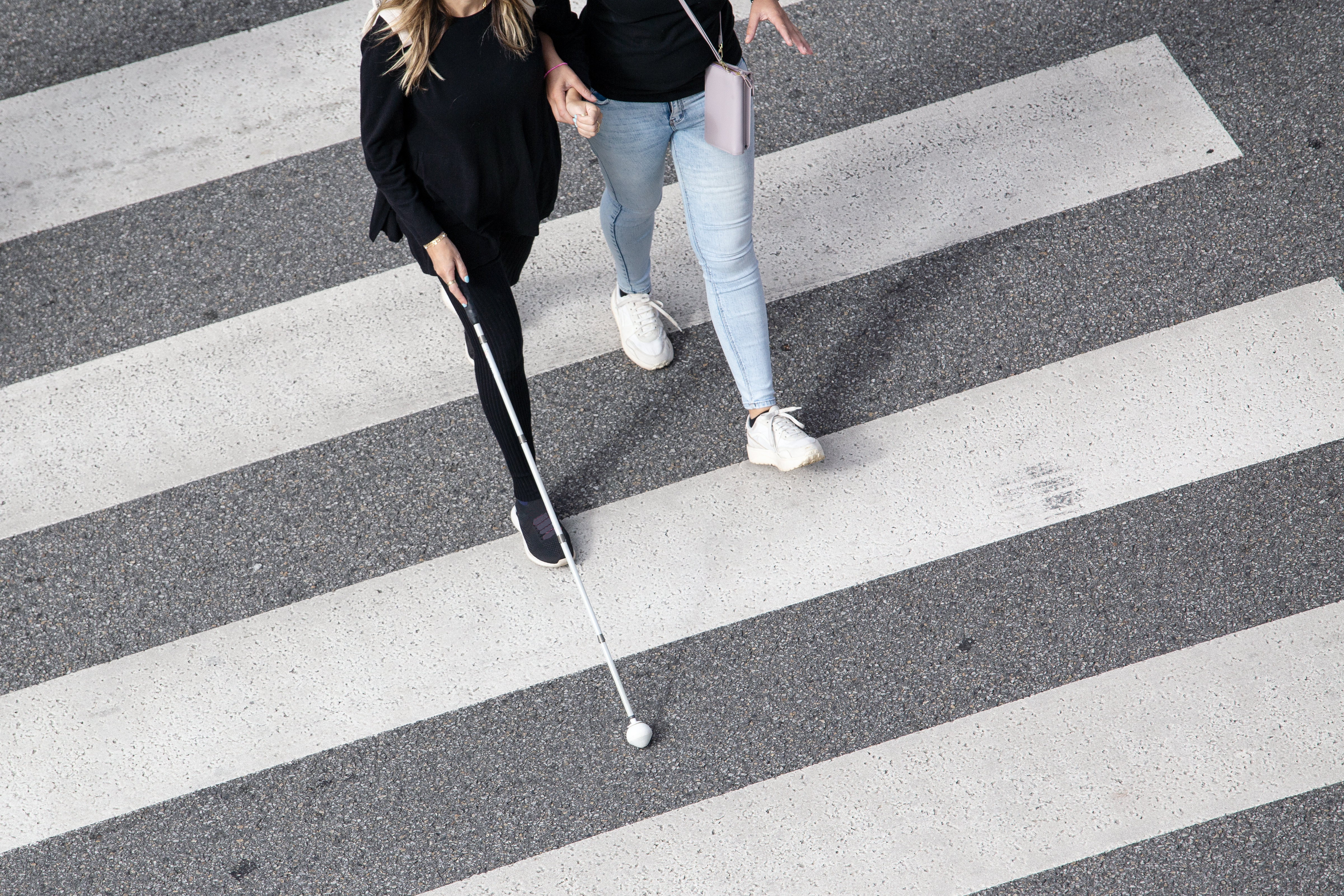
Public interaction also matters. One of the most important “do nots” is this - do not grab a person’s white cane. The cane is an extension of the individual’s awareness of their surroundings. Grabbing it, moving it, or redirecting it can immediately disorient the person using it. They may lose their point of reference, their alignment, or an important landmark they were tracking. Even small interruptions can create confusion or increase risk.
If assistance appears needed, the appropriate approach is simple. Speak directly to the person. Identify yourself and ask if they would like help. Do not assume, push, pull, or maneuver the cane for them. If assistance is accepted, allow the individual to hold your arm rather than you holding theirs.
Other practical considerations support independence. Avoid leaving obstacles in walkways. Do not block sidewalks with temporary signage or vehicles. Announce your presence if you are approaching someone from behind. In public spaces, ensure pathways are clear and predictable.
The white cane symbolizes the right to move freely and safely through one’s community. As we observe White Cane Week 2026, the message remains clear -“A lack of sight is not a lack of vision.” With informed awareness and respectful interaction, communities can support independence in meaningful and practical ways.