Connected by Touch: What Deafblindness Can Teach Us About Everyday Life

June is Deafblind Awareness Month. Let's take time to learn, notice, and build a deeper understanding of a community that many people have heard about, but may not truly know.
This year's theme, "Connected by Touch: Breaking Barriers, Building Bridges," invites us to think differently about connection. Many of us think connection happens through seeing a smile, hearing a voice, reading a message, or watching someone’s face. For many people who are Deafblind, connection may happen through touch, movement, trusted support, and shared presence.
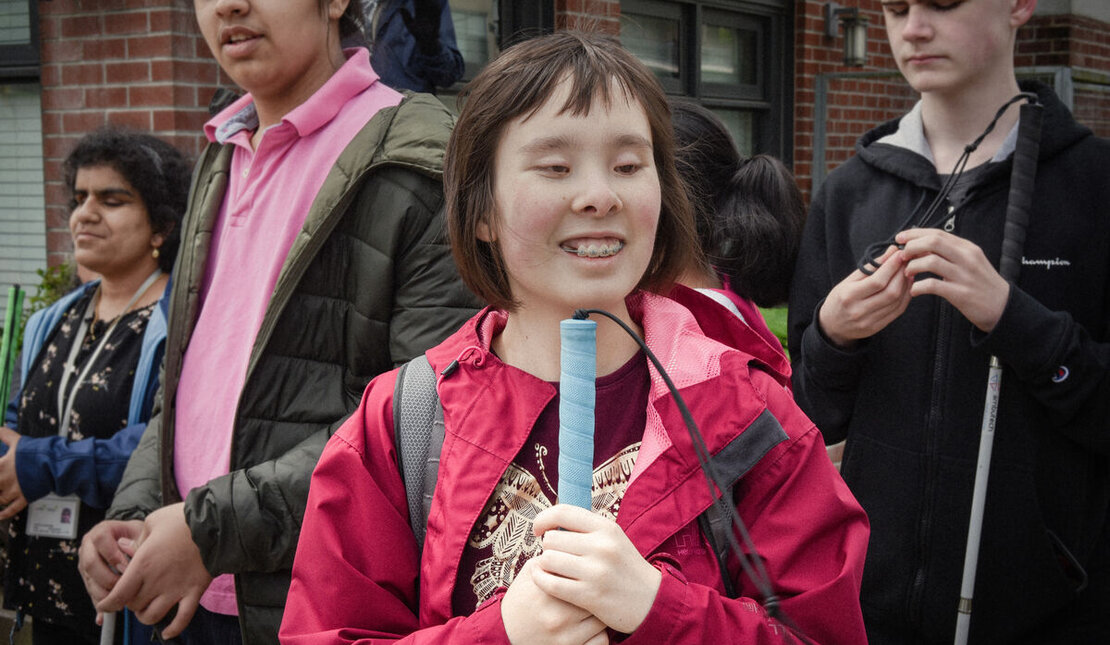
At first, this may feel unfamiliar. But when we pause and learn, we begin to notice something simple and human: people who are Deafblind are part of everyday life. They cook, read, write, work, study, travel, laugh, make choices, spend time with friends, enjoy hobbies, and build relationships. They simply do some of these things in ways many of us have not been taught to notice.
Deafblindness does not always mean a person is fully deaf and fully blind. Some people have some hearing. Some have some vision. Some are born Deafblind, while others become Deafblind later in life. This means there is no single way to be Deafblind. There is no single way to communicate. There is no single story that represents the entire community.
Some people who are Deafblind use tactile sign language, where signs are felt through the hands rather than seen. Some use braille to read books, labels, or notes. Some use refreshable braille displays connected to phones or computers, which allow digital text to be read through touch. Some use hearing aids, cochlear implants, or touch signals. Many people use a combination of methods.
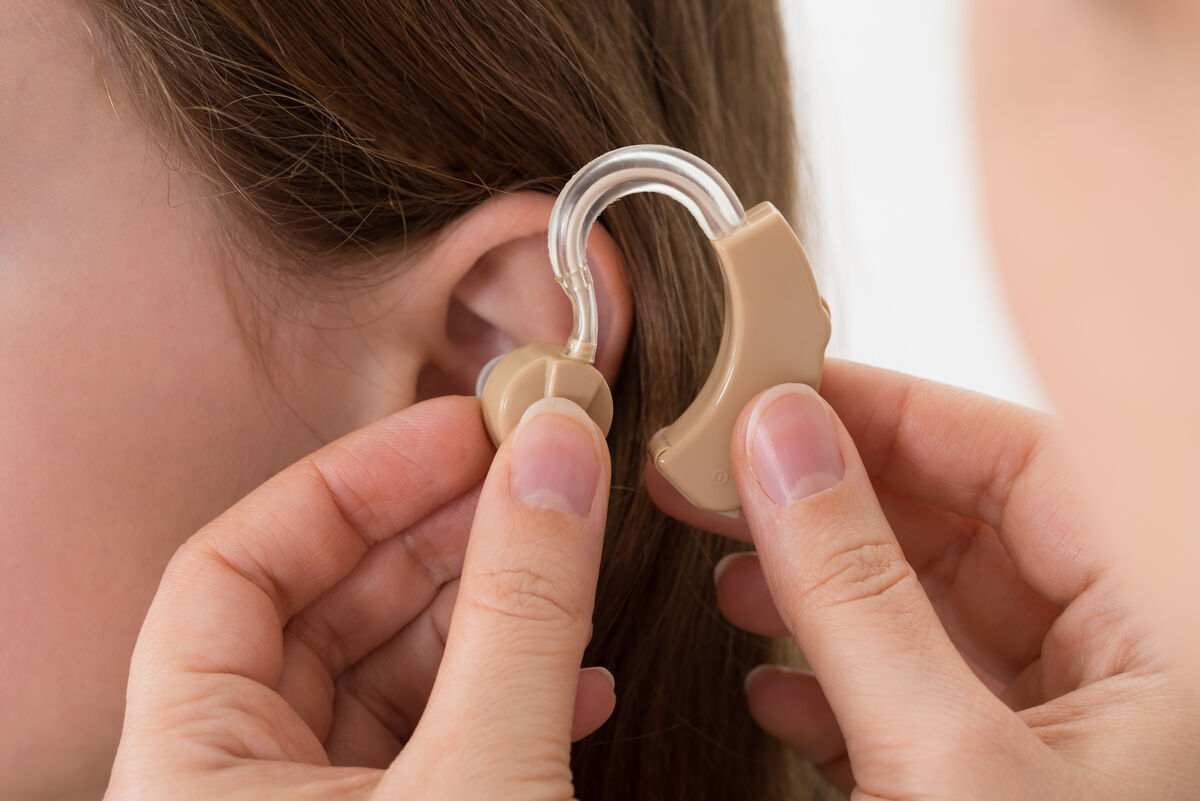
Touch can carry information that many people usually receive through sight or sound. A tap on the hand can signal it is time to move. A touch on the shoulder can show direction. A person’s hand can receive words, names, instructions, or laughter. In the Deafblind community, touch goes beyond physical contact. It can be language. It can offer safety. It can support choice. It can create a sense of belonging.
This is one of the most beautiful ideas to reflect on during Deafblind Awareness Month: communication is bigger than speaking and hearing. It is bigger than eye contact. It is not limited to one language or one method. Communication is about finding ways to understand and be understood.
Daily life can also be shaped by skill, planning, and creativity. A person who is Deafblind may cook using braille labels, tactile markers on appliances, vibrating tools, measuring systems, and memory. They may rely on touch, smell, temperature, and routine to prepare food safely.
This does not make cooking extraordinary. It is still cooking.
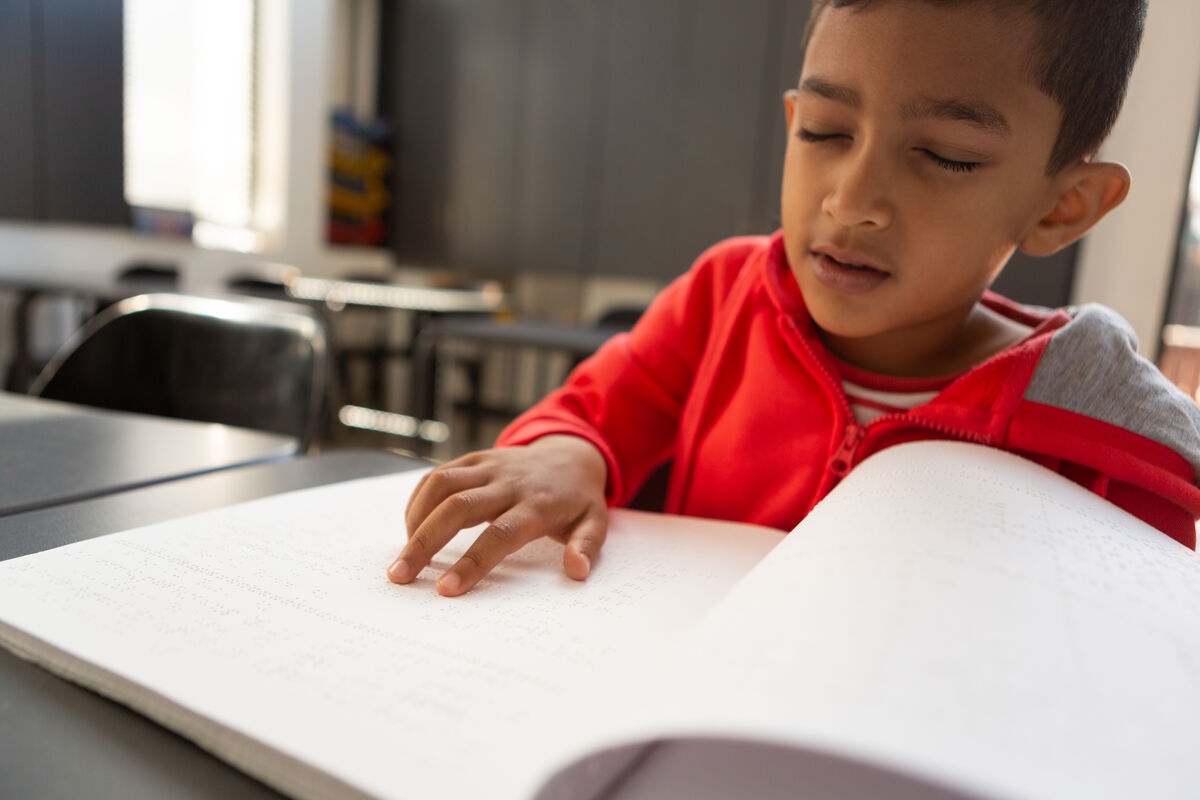
The same is true for reading and writing. A person who is Deafblind may read with their fingers instead of their eyes or ears. Technology can also make reading and writing more efficient and flexible.
For some people, support from an intervenor is important. This role is not to take over, but to provide access to information, communication, and the environment. The person who is Deafblind continues to make their own choices. Good support ensures people have the information they need to decide for themselves.
Too often, disability awareness frames people as heroes or symbols. People who are Deafblind do not need to be seen as inspirational simply for living their lives. What they need is access—along with services, technology, and communities that do not make assumptions.
This June, Deafblind Awareness Month encourages us to notice in new ways. It asks us to reflect on how much of daily life depends on seeing and hearing, and how many people may be excluded when information is shared only through these ways.
It also reminds us to value the many ways people connect.
A hand can read. A hand can speak. A hand can guide. A hand can ask a question. A hand can answer back. A hand can say, "I am here."
When we understand this, the theme "Connected by Touch" becomes a powerful reminder that connection is not one-size-fits-all. It is something we build together, and with care, patience, and openness.