Beyond the Minimum: Rethinking Spaces for Children and Youth with Disabilities

In just one word, how do you want youth with disabilities to feel in our shared community spaces?
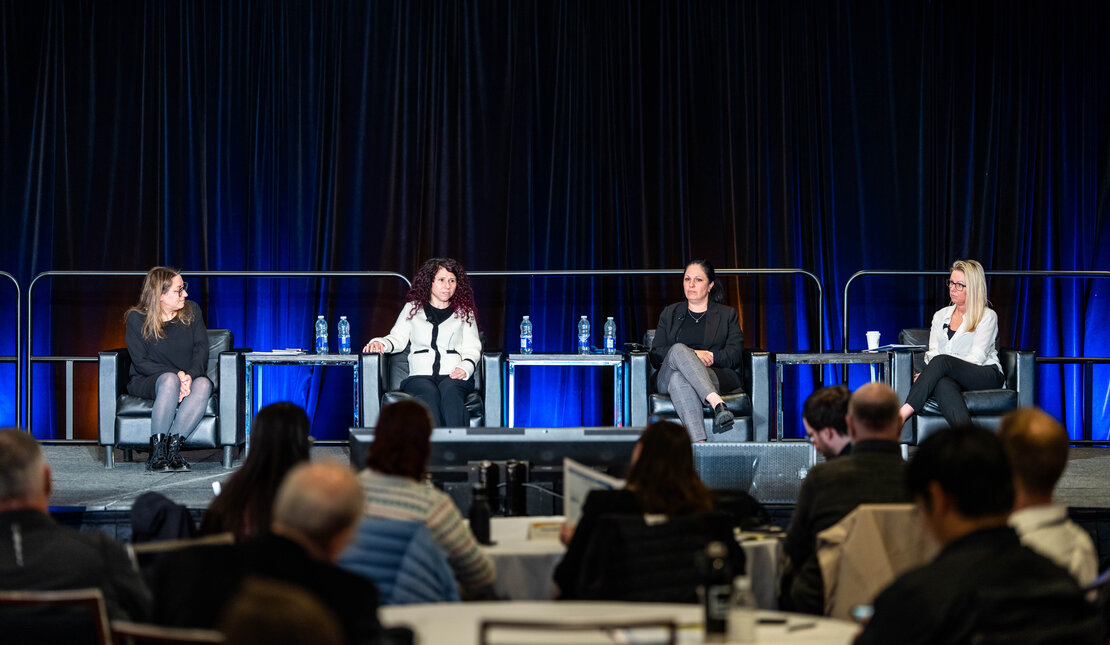
This was the question asked to participants and audience-members of the APN2026 session ‘Rethinking Spaces for Children and Youth with Disabilities’, which took place in Toronto in March 2026. As we head into another school year, these conversations become even more critical.
“Included” was one response. “Accepted.” “Emboldened.” “Safe.” “Belonging.” “Free.” And, of course – “Joy.”
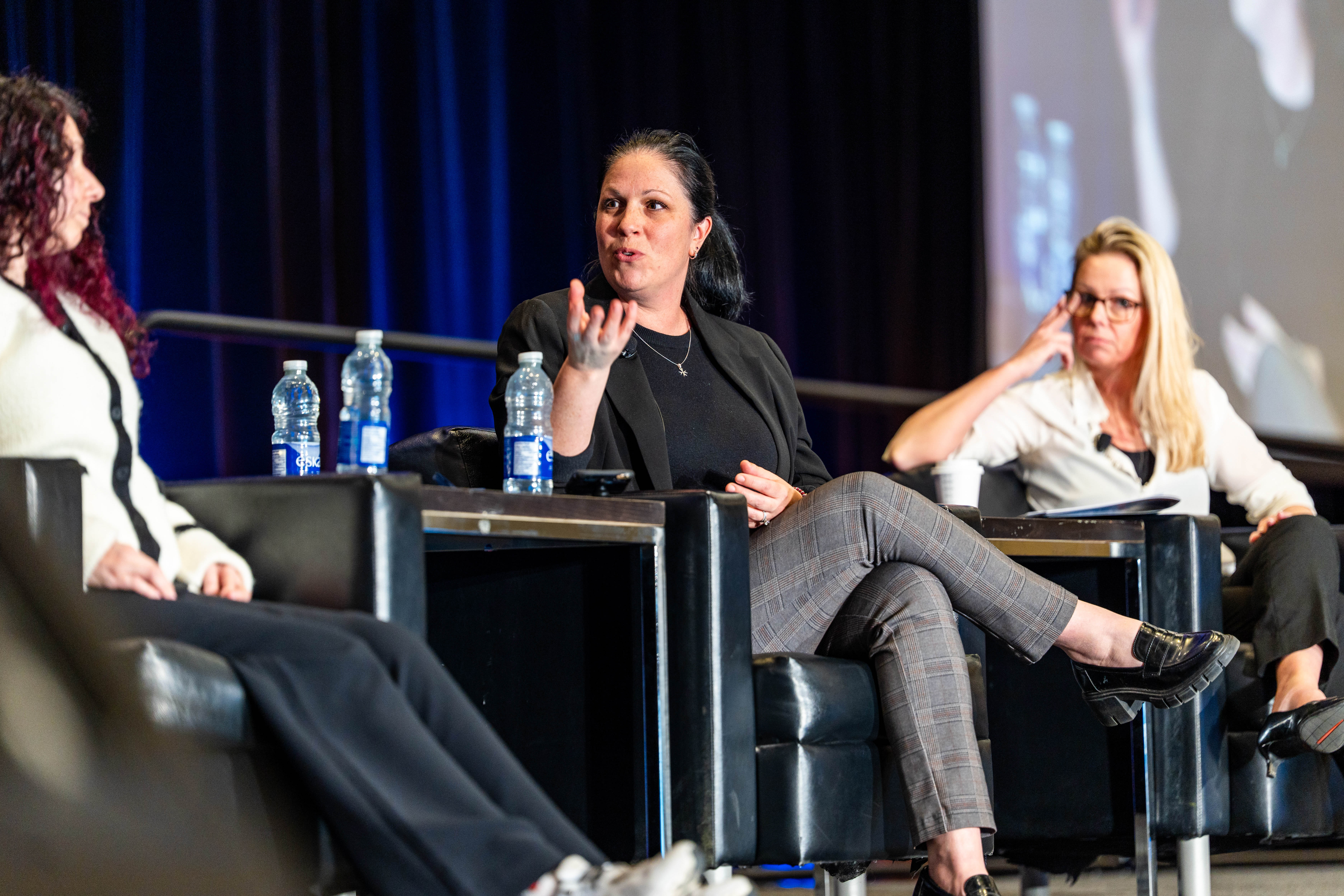
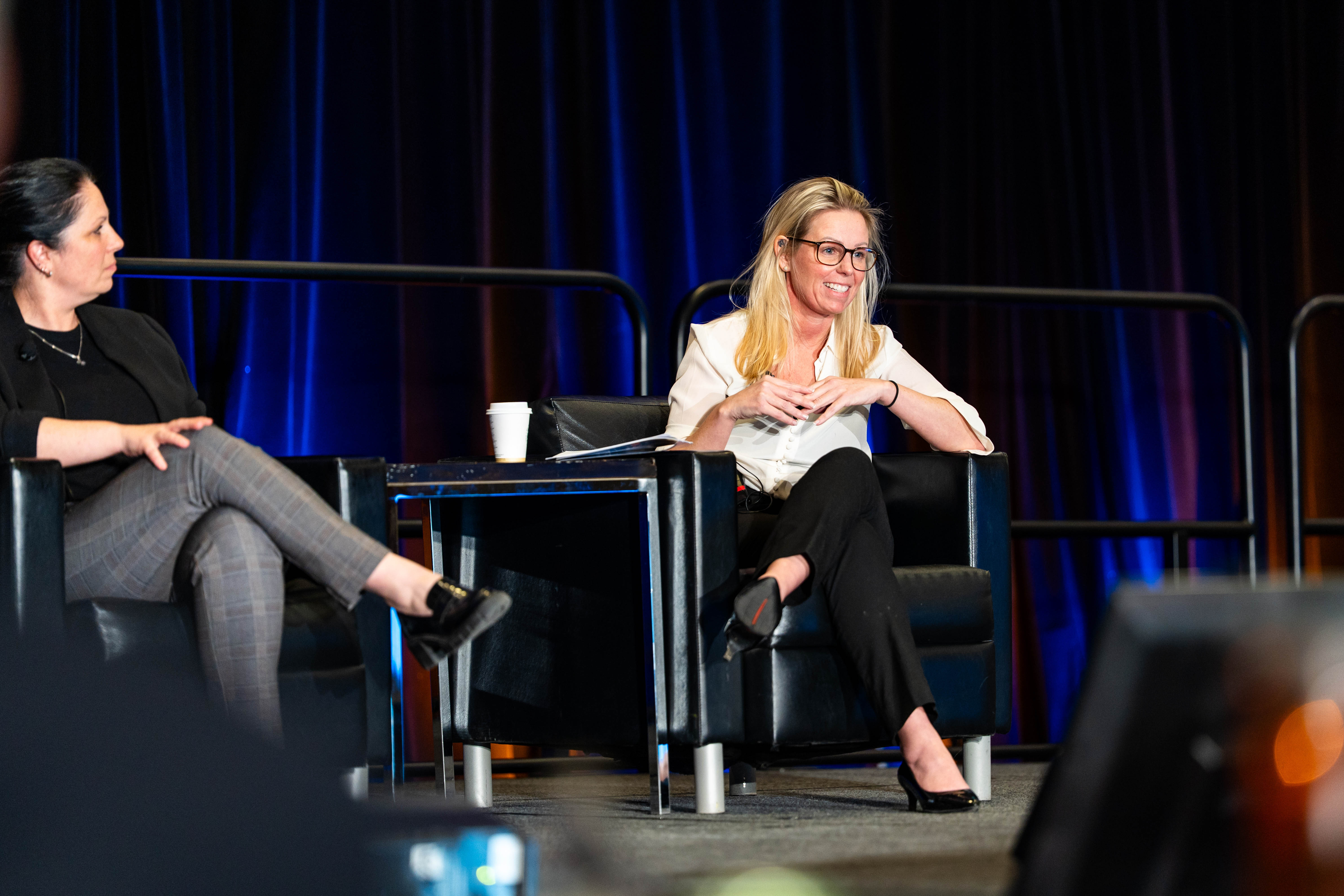
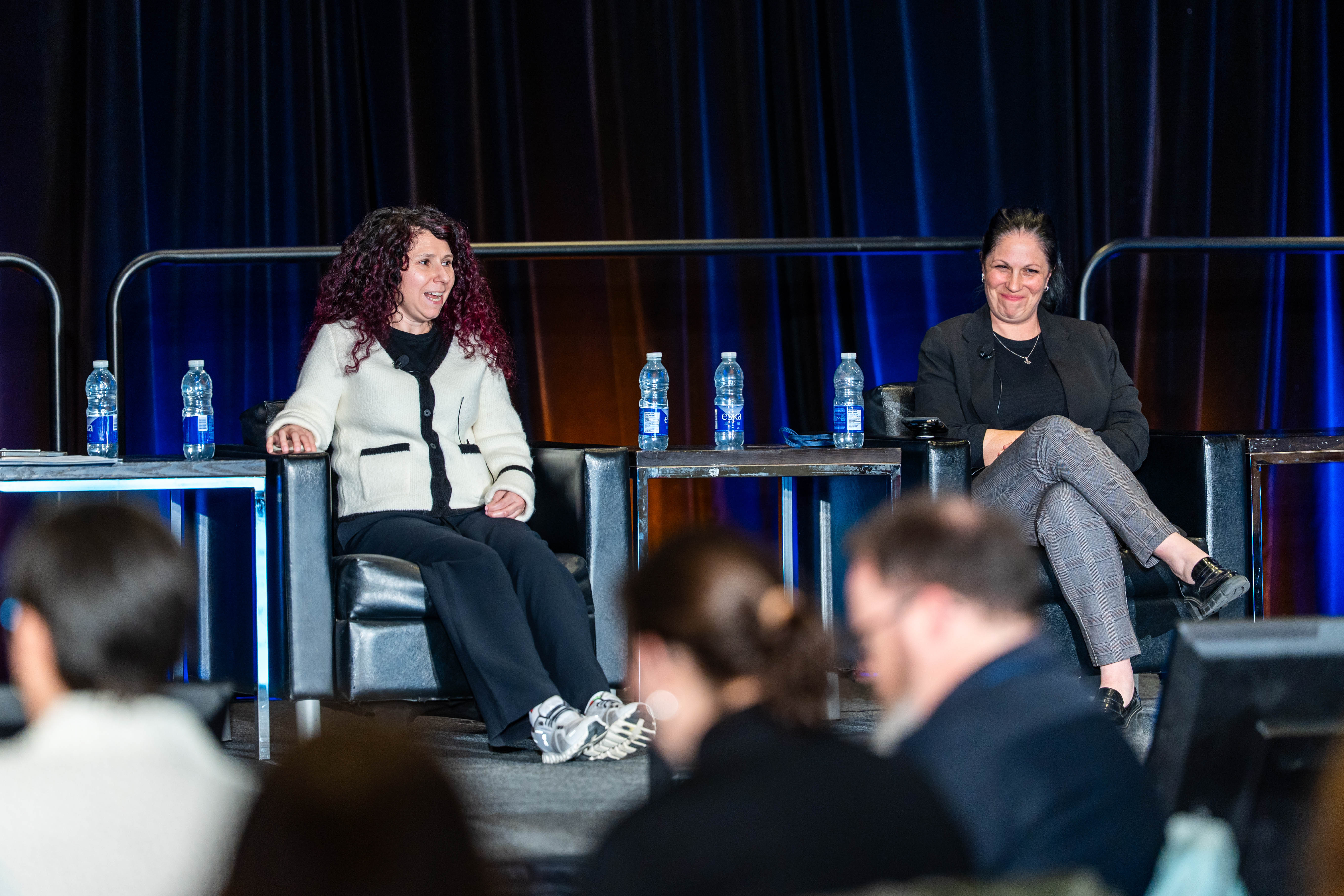
Access alone is not sufficient. That was a key conclusion of the session, which was hosted by Pina Mallozzi, Senior Vice President of Design at Waterfront Toronto, and included three panelists: Dr. Sarah Moore, director at Accessibility Standards Canada and founder of the ParaPLAY Hub at Dalhousie University, Dolly Menna-Dack, Senior Bioethicist at Holland Bloorview Kids Rehabilitation Hospital, and Dr. Alison Novak, Senior Scientist at KITE Research Institute.
“How (young people) can not only be able to access spaces, but feel included and belong, is a conversation we often have,” said Sarah. Alison agreed. “We’re moving beyond just physical design,” she said. “The minimum standard doesn’t just mean that somebody can get into the space, but that they can meaningfully participate within that space.”
Encouraging an Inclusive Back-To-School
As the start of back-to-school draws near, conversations re-emerge around how we can support all young people, regardless of ability, to feel included – especially in their classrooms. Dolly noted that “classrooms are one of the first places children learn about exclusion,” so they must also be “spaces which are inclusive of all.”
One way of ensuring inclusion is by involving young people’s voices in decision-making about the spaces in which they live, work, and play. Young people with lived experience sharing their voices is powerful, Dolly said. “This is a group that has to be involved in the discussion.” Sarah agreed, noting the impacts of these conversations are often unexpected – “they will come up with solutions you will never have thought about.”
Regarding a project where youth with disabilities participated in setting pediatric research priorities, Sarah explained: “They designed the question, they brought together the group, they informed the methodology, they hired the consultants, they told me when they wanted popcorn or cotton candy at the meetings. They had every part of the design.”
It’s not always as straightforward as inviting a broad range of opinions, though. As the panelists noted, unique approaches must sometimes be taken to ensure youth voices are meaningfully engaged. Children and youth “have to know that their voice is desired,” said Dolly – flagging the importance of building a level of trust, where young people are confident that they will truly be heard.
Logistics may also need to be considered – for example, holding meetings at untraditional times, like Saturday afternoons, so young people can attend around school and extra-curricular activities. Sarah noted that there should be multiple ways for children and youth to engage and respond in the ways that feel best to them – such as a child drawing their idea of an inclusive space or go-along interviews where they can explore spaces with a camera and video the access challenges and opportunities themselves.
And, importantly, facilitators should keep conversations positive – as a better way of identifying accessibility challenges, “ask them what they’re excited about doing,” Dolly explained, rather than starting from the perspective of barriers. Then “they don’t grow up reflecting on what was hard. They grow up saying what they want to do next.”
Moving Beyond Advocacy: The Important Work of Living
While we train and support children and youth to advocate for themselves, “we have to hope that there is a future Canada where they won’t have to,” Dolly said. Particularly in the classroom, “these are the spaces where kids no longer need to advocate for what their needs are but rather can do the important work of living.”
In Canada, 20.1% of young people have a disability. This marks a 7% increase since 2017, the largest jump across any age group in the country. As such, the increasing importance of these vital conversations is clear. We must deepen and broaden our reach and make youth inclusion part of doing business. We also need to think beyond the physical barriers we have historically focused on, instead including sensory and neurodiverse disabilities more in our conversations. And, as Sarah said, we must think about intersectionality – between ability and gender, race, indigeneity, ethnicity, and sexuality. Most of all, we must remember that accessibility and inclusion impacts us all, shifting towards the mindset of “everyone being ‘temporarily able-bodied’,” noted Sarah.
This school year, you can keep these conversations going in your school or classroom. Access RHF School Program resources for tools, ideas, and lessons - all at no charge - to engage students and spark inspiring conversations about accessibility and inclusion.
No Single Child’s Burden
This session was part of APN2026, which brought together over 700 participants from Canada and Internationally. RHF’s Accessibility Professional Network (APN) conference sparks critical conversations that recur throughout the year. Look forward to more collaborative discussions at APN2027: Beyond Design, which will take place in February in Vancouver – register today here.
At the conclusion of the 2026 event, Menna-Dack closed the session with a profound request, asking all conference attendees to “see inclusion as your own moral obligation.” If we all do that, she said, “then it is no single child’s burden.”